Unique Homes MA
Triple Decker Homes in Massachusetts
The Triple Decker (1880-1930) is New England's iconic urban multi-family housing — three full apartments stacked vertically, each with a private piazza, on a narrow city lot.
What is a triple-decker?
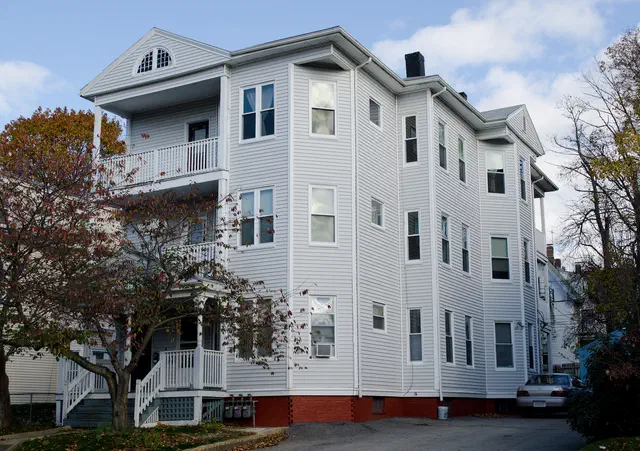
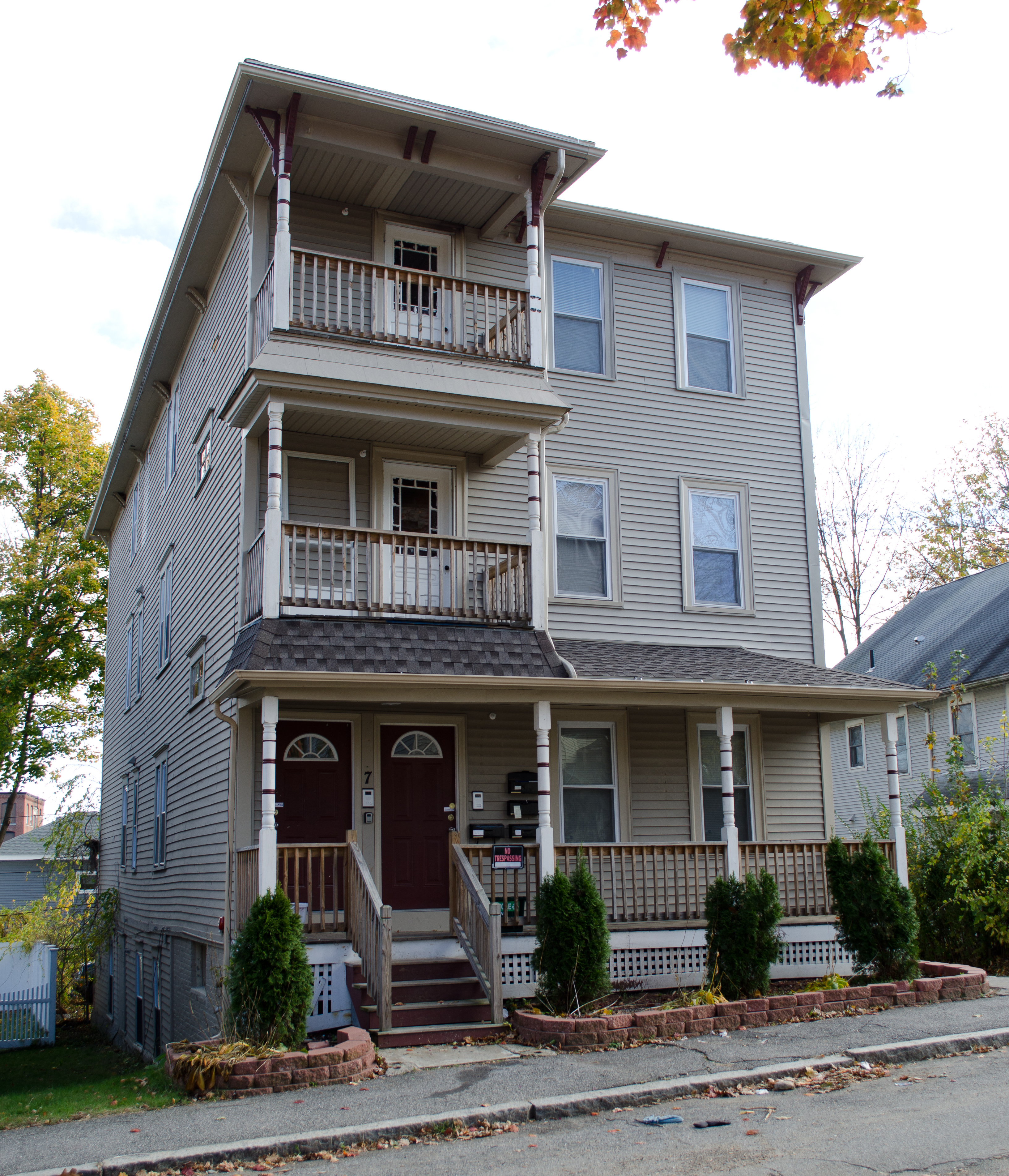
The triple-decker is the tall wooden house you see all over Boston, Worcester, and the old mill cities: three floors, one apartment per floor, three porches stacked up the front. People in the neighborhood call those porches piazzas. Most were built between about 1880 and 1930, and then the cities stopped allowing new ones, so the ones standing today are nearly all there will ever be. The idea was simple: put three families on one city lot, each with their own front door and porch.
Why it’s special
The triple-decker is how working New England got into homeownership. A young family would buy the building, live on one floor, and rent the other two to help pay the mortgage, which is why so many immigrant families owned a home within a few years of arriving. These were never fancy houses, but they were built to last, with solid wood frames and full-floor apartments.

What it’s like to live in one
A triple-decker apartment is a full floor: front parlor, dining room with a bay window, kitchen at the back, two or three bedrooms off a hall, and a piazza that turns into an outdoor living room for three seasons. They cluster where the work was: Boston’s Dorchester has the most, with more in Roxbury and South Boston, Worcester’s Vernon Hill and Quinsigamond Village full of them, and Lowell, Lawrence, Fall River, and New Bedford building them for mill families.
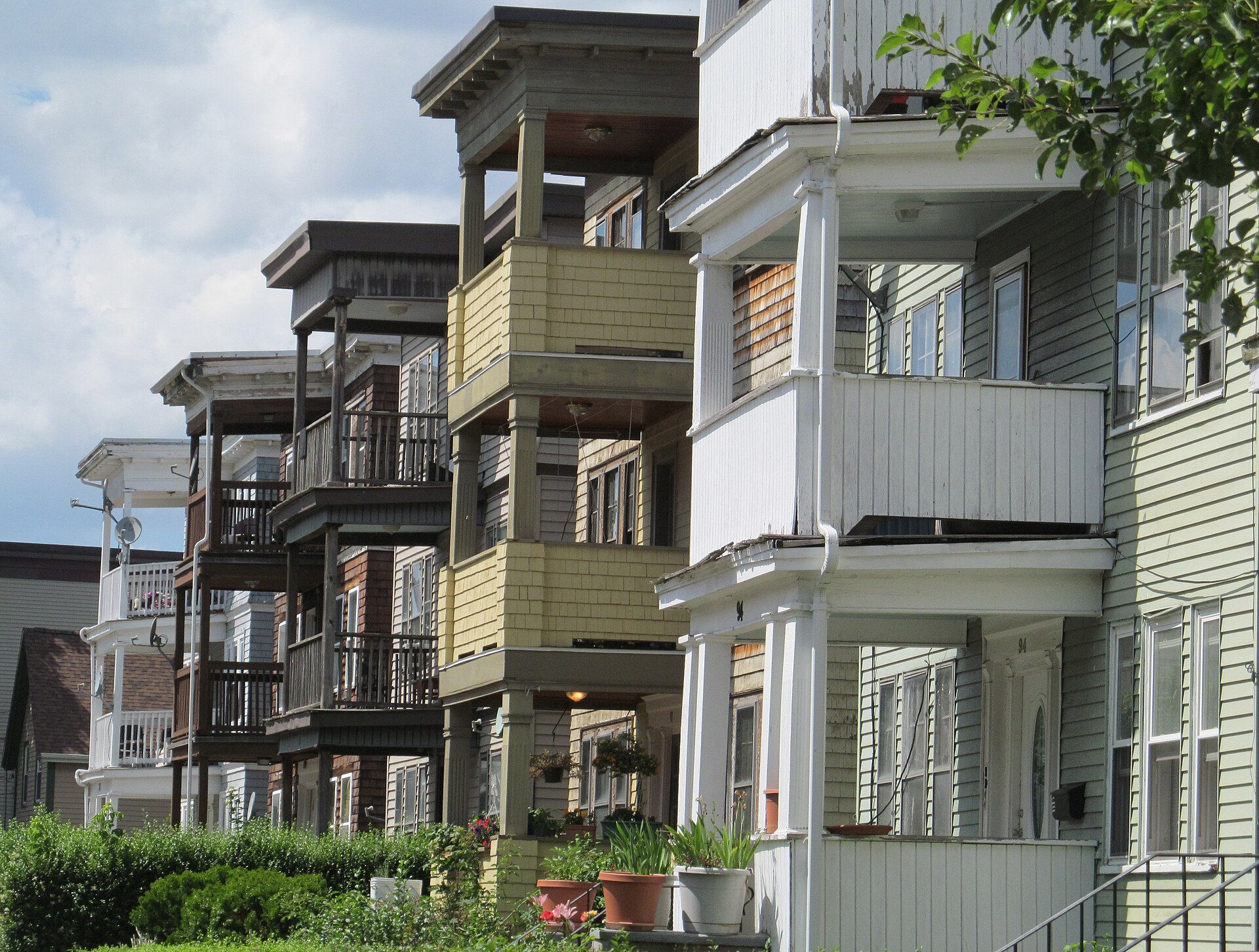
Be honest about the landlord part. Living in one unit and renting the others means collecting rent, fixing what breaks, and sharing a roof with tenants. Many older triple-deckers are now condos, where you own one floor and split the upkeep. Either way, budget for an old building: heating, wiring, and the porches, which take the weather.
Is it the real thing?
A real period triple-decker is easy to spot. Look for three floors with one apartment each, three porches stacked up the front, a flat or low roof, and a bay window on the side. Many porches have been closed in over the years, but the tall three-story box still reads as a triple-decker underneath. A plain triple-decker and a fancier one wearing Queen Anne trim are the same kind of building, so we classify by form first. When a build date matters, MACRIS and the assessor’s record confirm a house’s age.
Last reviewed
Common questions about Triple Decker homes
How do you identify a Triple Decker home?
- Three floors, one apartment per floor, stacked the same way top to bottom
- Three front porches (called piazzas), one per unit, stacked up the front
- Flat or low-pitched roof
- A tall, narrow box on a long city lot with small side yards
- Bay windows on the side, usually off the dining room
When were Triple Decker homes built?
Triple Decker homes were built during 1880–1930.
Where in Massachusetts are Triple Decker homes found?
- Boston — Dorchester, Roxbury, Roslindale, Jamaica Plain, South Boston, East Boston, Charlestown
- Worcester — Vernon Hill, Quinsigamond Village, Main South, Greendale
- Lowell, Lawrence, Fall River, New Bedford — every MA mill city has them
Who designed notable Triple Decker homes in Massachusetts?
- Almost universally builder-designed, not architect-designed
- Pattern-book sources and local builder catalogs drove the form
- Late-19th-century Boston builders: J.J. Boudreau, James G. Hutchinson, the Catalano family in Dorchester
- Worcester builder-developers: Frank Boutiette, John W. Bishop & Sons
- Some architectural input came from local firms that designed individual high-end triple-deckers — e.g. Edmund Wheelwright in Boston