Unique Homes MA
Saltbox Houses in Massachusetts
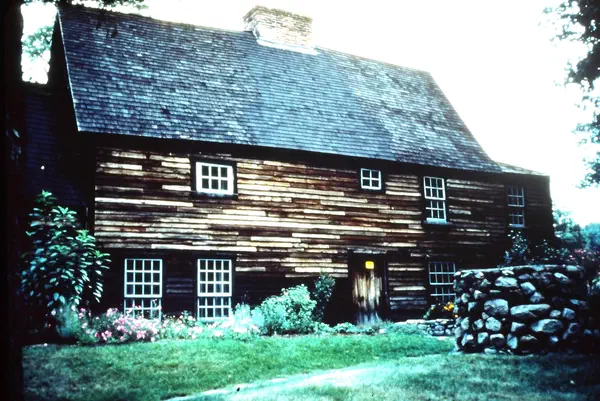
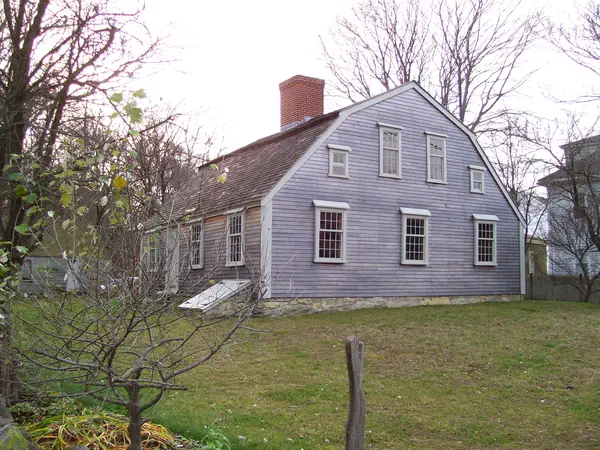
The Saltbox — a colonial-era vernacular with a long, sloping back roof — is one of New England's most distinctive house forms. Original 17th- and 18th-century examples survive in Essex County and along the South Shore.
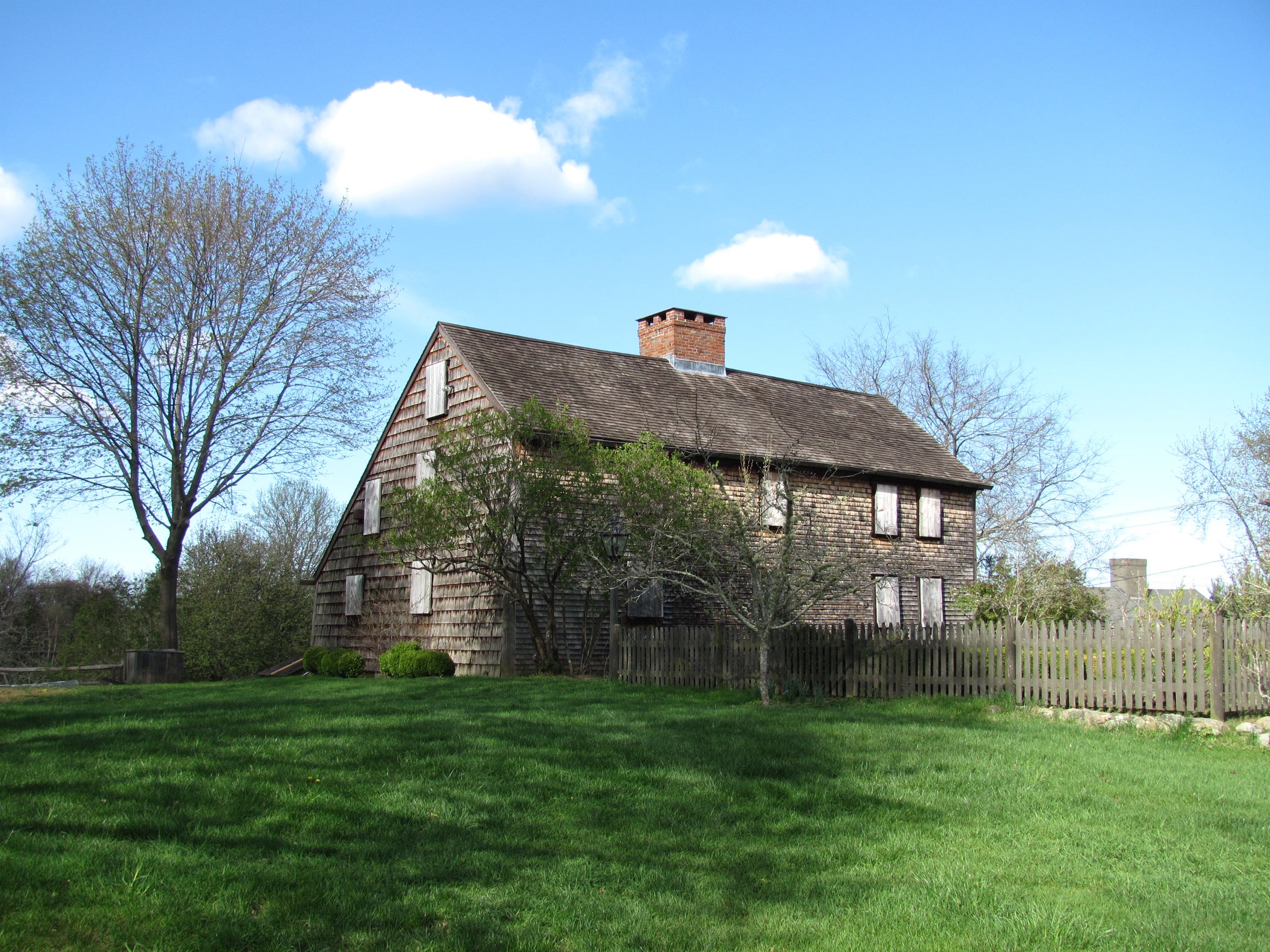
What is a Saltbox?
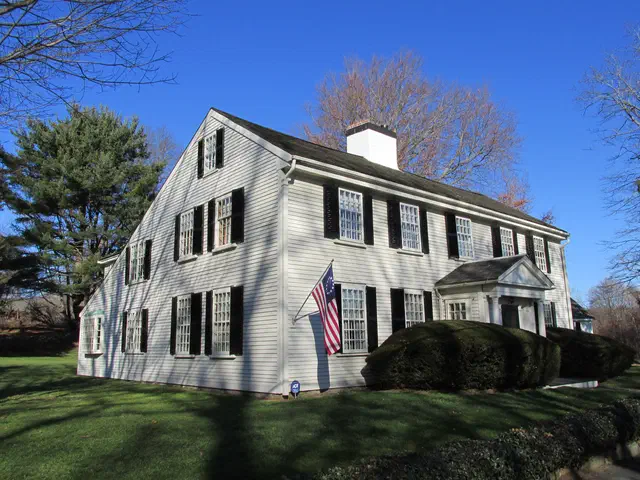
The Saltbox is one of the oldest house shapes in America, born in colonial New England in the late 1600s. It is named for the wooden boxes that held table salt: tall in front, low in back, with a long sloping lid. The house has the same outline, with two full stories facing the street and the back roof sweeping down in one long line to a low wall. Most were not planned that way. They began as a smaller first-period house, the kind that grew into the original Cape, and a family added a lean-to across the back for a kitchen and bedroom. By the 1690s carpenters were building them from scratch.
Why it’s special
A Saltbox tells the story of how a colonial family lived and grew. Before furnaces, the great central chimney was the kitchen, the heat, and the gathering place. These are some of the oldest standing houses in the country. The Whipple House in Ipswich, begun in 1677, grew into a Saltbox by about 1700 and is now a museum; the Boardman House in Saugus (1692) and Browne House in Watertown (1698) are nearly as old. A real one is roughly three hundred years old and very rare.
What it’s like to live in one
A Saltbox feels gathered and warm: modest rooms, low ceilings, soft light through small old windows. They cluster where colonial New England settled first. Essex County has the densest supply, in Ipswich, Newbury, Rowley, and Topsfield, and the South Shore (Hingham, Marshfield, Duxbury) and Plymouth area have their own, often later and plainer. Expect to update the heating, wiring, and plumbing, and to budget for the care an old house asks for.
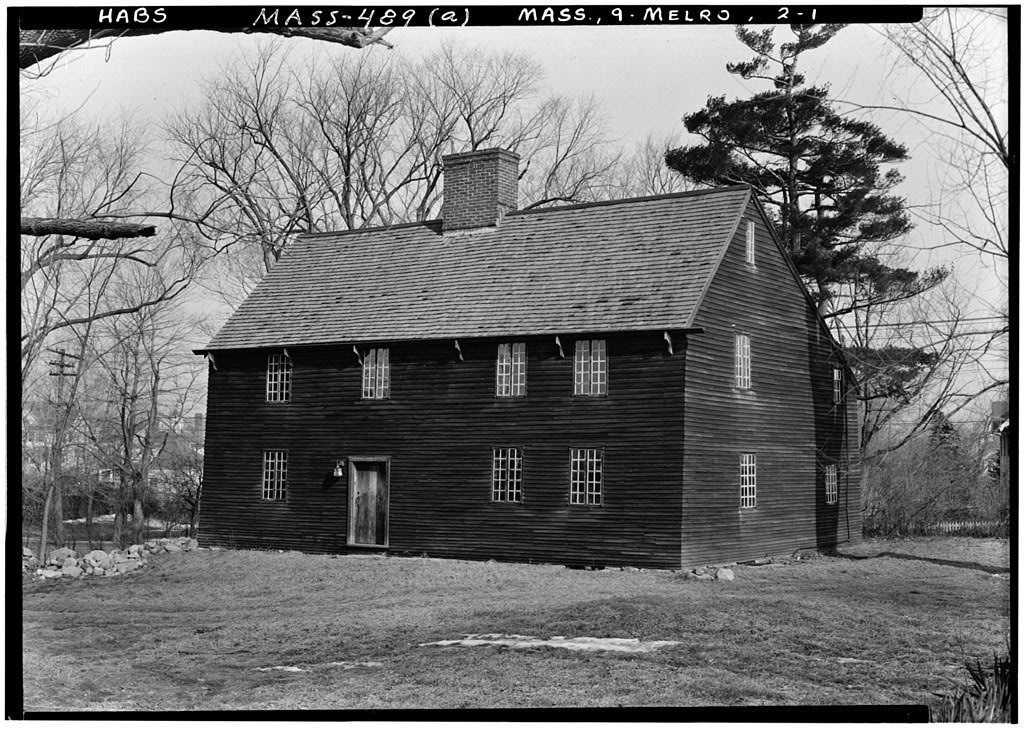
Is it the real thing?
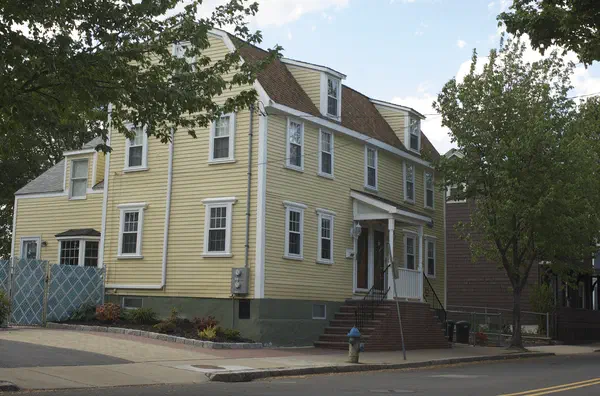
Agents use “Saltbox” loosely for almost any colonial with a back addition. A genuine original has the long back roof and a big chimney centered in the oldest part of the house. Revival Saltboxes, built from the 1920s on to copy the look, give themselves away with a chimney at the end wall and larger, more uniform windows. For a documented classification the house must appear in MACRIS, Historic Ipswich’s First Period census, or Historic New England records, or carry a build date in the colonial range. Look-alikes we mark as claimed and keep separate.
Last reviewed
Common questions about Saltbox homes
How do you identify a Saltbox home?
- Two full stories in front, one story in back
- Long, unbroken rear roof sweeping down to a low eave
- Big central chimney shared by the rooms around it
- Steep front roof that sheds snow fast
- Small, many-paned windows
When were Saltbox homes built?
Saltbox homes were built during 1650–1750 (originals); revivals 1920–1960.
Where in Massachusetts are Saltbox homes found?
- Essex County — Ipswich, Newbury, Rowley, Topsfield
- South Shore — Hingham, Marshfield, Duxbury
- Plymouth County — Plymouth, Kingston
Current listings (4)
For Sale
$9,499,000
43 Peases Point Way S
Edgartown
4 bds | 5 ba | 5,902 sqft | Built 1840
MLS ID #73476388, Sandpiper Realty, Inc.
For Sale
$649,900
21 Prospect Street
West Newbury
2 bds | 1 ba | 1,677 sqft | Built 1890
MLS ID #73510211, Realty One Group Nest
For Sale
$589,000
713 Sandwich Rd
Falmouth
3 bds | 1.5 ba | 1,446 sqft | Built 1850
MLS ID #73509770, Tapestry Realty
For Sale
$695,000
283 South St
Northampton
3 bds | 2.5 ba | 2,100 sqft | Built 1750
MLS ID #73465753, 5 College REALTORS® Northampton