Unique Homes MA
Georgian-Style Homes in Massachusetts
Georgian (1720-1780) is the architecture of pre-Revolutionary America — symmetrical, classical, dignified. Massachusetts has the country's best-preserved Georgian inventory in Salem, Cambridge, and the North Shore.
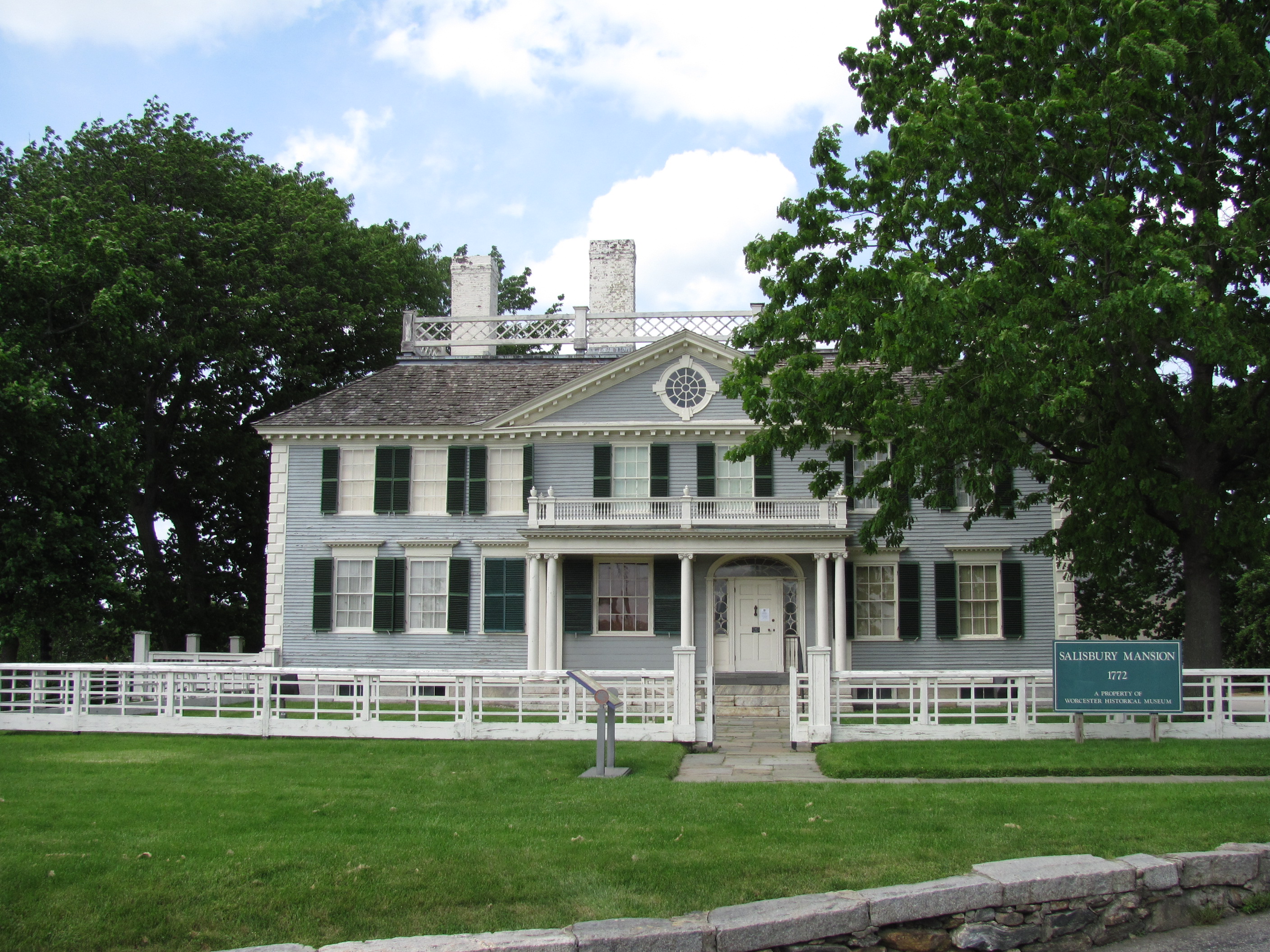
What is a Georgian home?
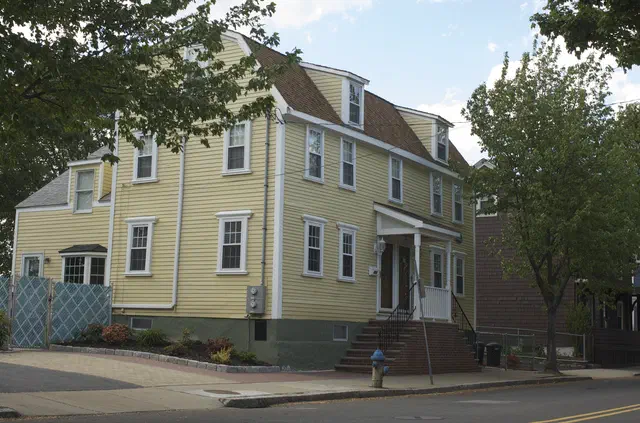
Georgian is the formal, dignified house of pre-Revolutionary America, built roughly from 1720 to 1780. The name comes from the four King Georges who ruled England then. Wealthy colonists wanted a house that showed off their ties to London, so builders copied grand English country houses from imported pattern books. This was the great merchant era, when ship captains and traders had money to spend on proud brick and clapboard mansions in Salem, Boston, Marblehead, Cambridge, and Newburyport. A genuine Georgian today is 250 to 300 years old.
Why it’s special
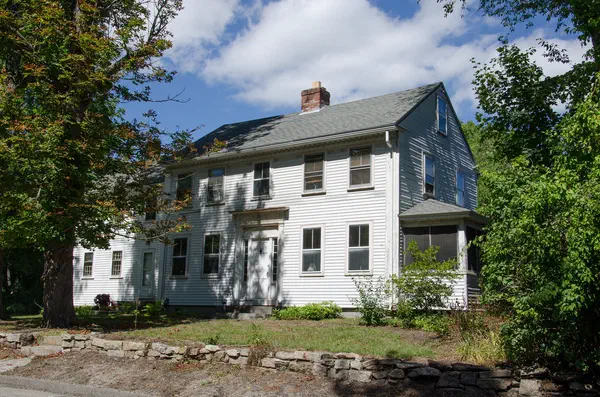
The whole point of a Georgian is balance. Stand in front of one and everything lines up: the door sits in the exact center, the windows march out evenly on both sides, and a single window crowns the door. The effect is a house that looks drawn with a ruler. The front door is the showpiece, heavy and paneled, set under a triangular crown and framed by columns. Inside you find a wide center hallway, paneled walls, and fireplaces in the front rooms.
What it’s like to live in one
A Georgian feels solid and gracious in a way new construction rarely does. Rooms are generous, ceilings run high, and tall windows let in plenty of light. The richest supply is on the North Shore. Salem has block after block of merchant houses on Chestnut and Essex Streets, Marblehead keeps a remarkable 18th-century streetscape in its Old Town, and Cambridge’s Brattle Street, once called Tory Row, still has its grand mansions.
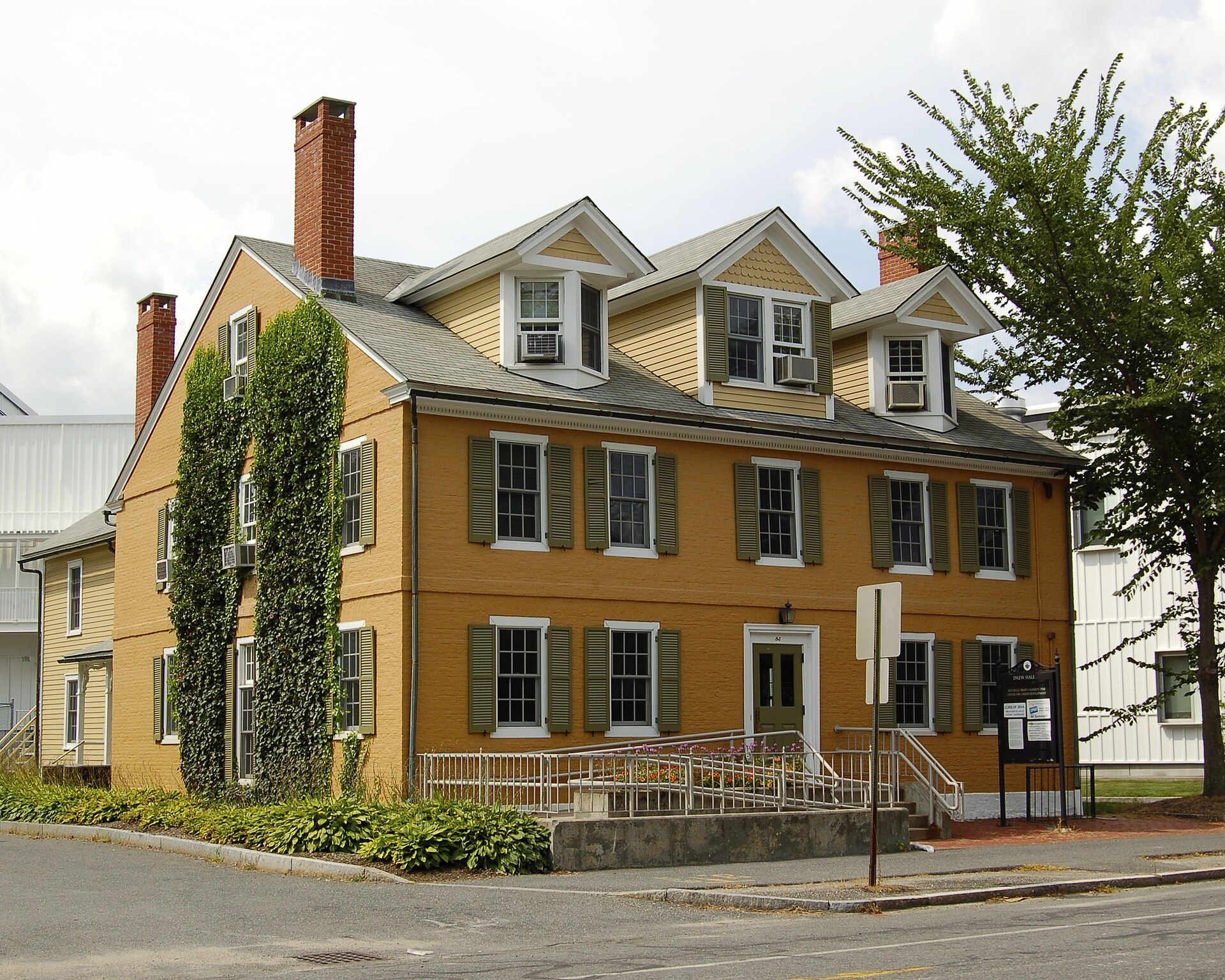
You are buying a very old house, so plan to update the heating, wiring, and plumbing. In return you get something scarce and built to last.
Is it the real thing?
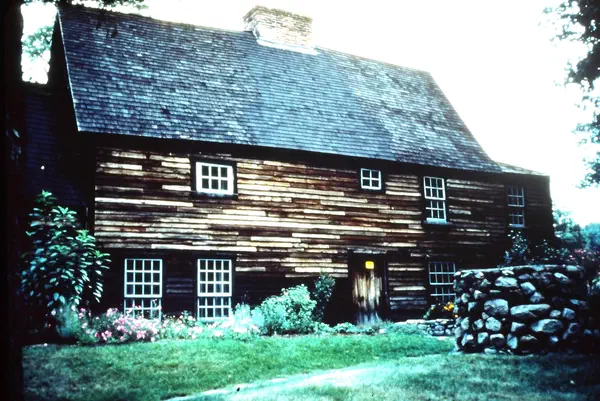
The easiest tell is symmetry. A true Georgian is balanced left to right around a centered front door, with that crowned, columned entrance and big chimneys. Its close neighbor is the Federal style that followed after 1780, which shares the same balance but wears lighter trim and often a fanlight instead of a crown. The older First Period houses are the opposite: lopsided fronts, smaller windows, a medieval look. To classify a listing as Georgian here, we require a build date in the 1720 to 1780 range plus independent evidence: a historic-survey record, a pre-1850 note in the listing, or an assessor record of an 18th-century build.
Last reviewed
Common questions about Georgian homes
How do you identify a Georgian home?
- A perfectly symmetrical front, with the door in the dead center
- An even number of windows on each side, evenly spaced
- A paneled front door topped by a triangular pediment and flanked by columns or pilasters
- A centered window directly above the front door
- A steep gable or gambrel roof with heavy molded trim along the eaves
When were Georgian homes built?
Georgian homes were built during 1720–1780.
Where in Massachusetts are Georgian homes found?
- Salem — Chestnut Street, Federal Street, Essex Street
- Marblehead — Old Town historic district
- Cambridge — Tory Row (Brattle Street)
Who designed notable Georgian homes in Massachusetts?
- Peter Harrison (1716–1775) — Newport-based; the first "professional" American architect; trained in England
- John Smibert (1688–1751) — portrait painter and amateur architect; designed Faneuil Hall (1740)
- Master carpenter-architects who worked from pattern books: Daniel Goodhue (Salem), Joshua Buffum (Marblehead), and the documented but largely anonymous Boston building trades
- Pattern-book sources used widely in MA: James Gibbs's "A Book of Architecture" (1728), Batty Langley's "The City and Country Builder's and Workman's Treasury of Designs" (1740), William Pain's series
Current listings (15)
For Sale
$540,000
60 Morton
Andover
2 bds | 1.5 ba | 504 sqft | Built 1825
MLS ID #73534755, Gibson Sotheby's International Realty
Under Contract
$895,000
180 Federal St
Salem
4 bds | 2.5 ba | 2,649 sqft | Built 1797
MLS ID #73528405, Gibson Sotheby's International Realty
For Sale
$1,875,000
314 Essex St
Salem
6 bds | 4 ba | 4,670 sqft | Built 1755
MLS ID #73515923, The Persac Group, LLC
For Sale
$3,495,000
17 Federal St
Newburyport
6 bds | 3.5 ba | 5,876 sqft | Built 1777
MLS ID #73510346, Gibson Sotheby's International Realty
For Sale
$929,000
86 Federal St
Newburyport
3 bds | 2 ba | 1,782 sqft | Built 1800
MLS ID #73518166, RE/MAX Bentley's
For Sale
$669,999
198 Brook st
Rehoboth
5 bds | 3 ba | 3,092 sqft | Built 1820
MLS ID #73529136, Thumbprint Realty, LLC
For Sale
$620,000
19 Ash St
Marlborough
4 bds | 2 ba | 3,469 sqft | Built 1800
MLS ID #73503805, ERA Key Realty Services - Distinctive Group
For Sale
$1,150,000
130 West Rd
Petersham
4 bds | 2 ba | 3,489 sqft | Built 1802
MLS ID #73526867, Petraglia Real Estate Services
For Sale
$715,000
476 Cherry St
Bridgewater
4 bds | 2 ba | 2,703 sqft | Built 1768
MLS ID #73528234, Reis Real Estate & Company Inc.
For Sale
$2,348,000
391 Dedham St
Newton
4 bds | 4 ba | 4,303 sqft | Built 1772
MLS ID #73524828, Compass
Under Contract
$1,545,000
3 Maple St
Sherborn
4 bds | 3.5 ba | 3,419 sqft | Built 1740
MLS ID #73519568, Gibson Sotheby's International Realty
Under Contract
$450,000
83 North Worcester St
Norton
3 bds | 1.5 ba | 2,088 sqft | Built 1720
MLS ID #73519641, Berkshire Hathaway HomeServices Commonwealth Real Estate
For Sale
$870,000
54 Ashland St
Newburyport
3 bds | 1.5 ba | 1,648 sqft | Built 1765
MLS ID #73515898, Deland Real Estate, LLC
For Sale
$579,900
1 Whitney Rd
Shirley
4 bds | 2.5 ba | 3,344 sqft | Built 1806
MLS ID #73500362, Coldwell Banker Realty - Leominster
For Sale
$13,900,000
153 Brattle St
Cambridge
7 bds | 6.5 ba | 9,473 sqft | Built 1803
MLS ID #73444242, Coldwell Banker Realty - Boston