Unique Homes MA
First Period Homes (1620–1725) in Massachusetts
First Period houses are the earliest surviving English-built homes in America — fewer than 250 remain, almost all in Massachusetts. Massive central chimneys, post-medieval framing, riven oak clapboards.
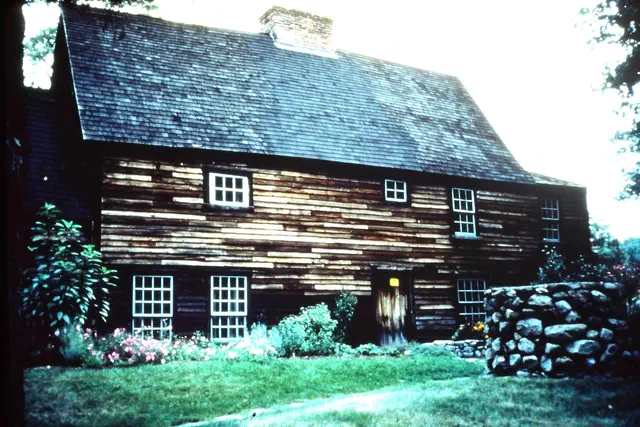
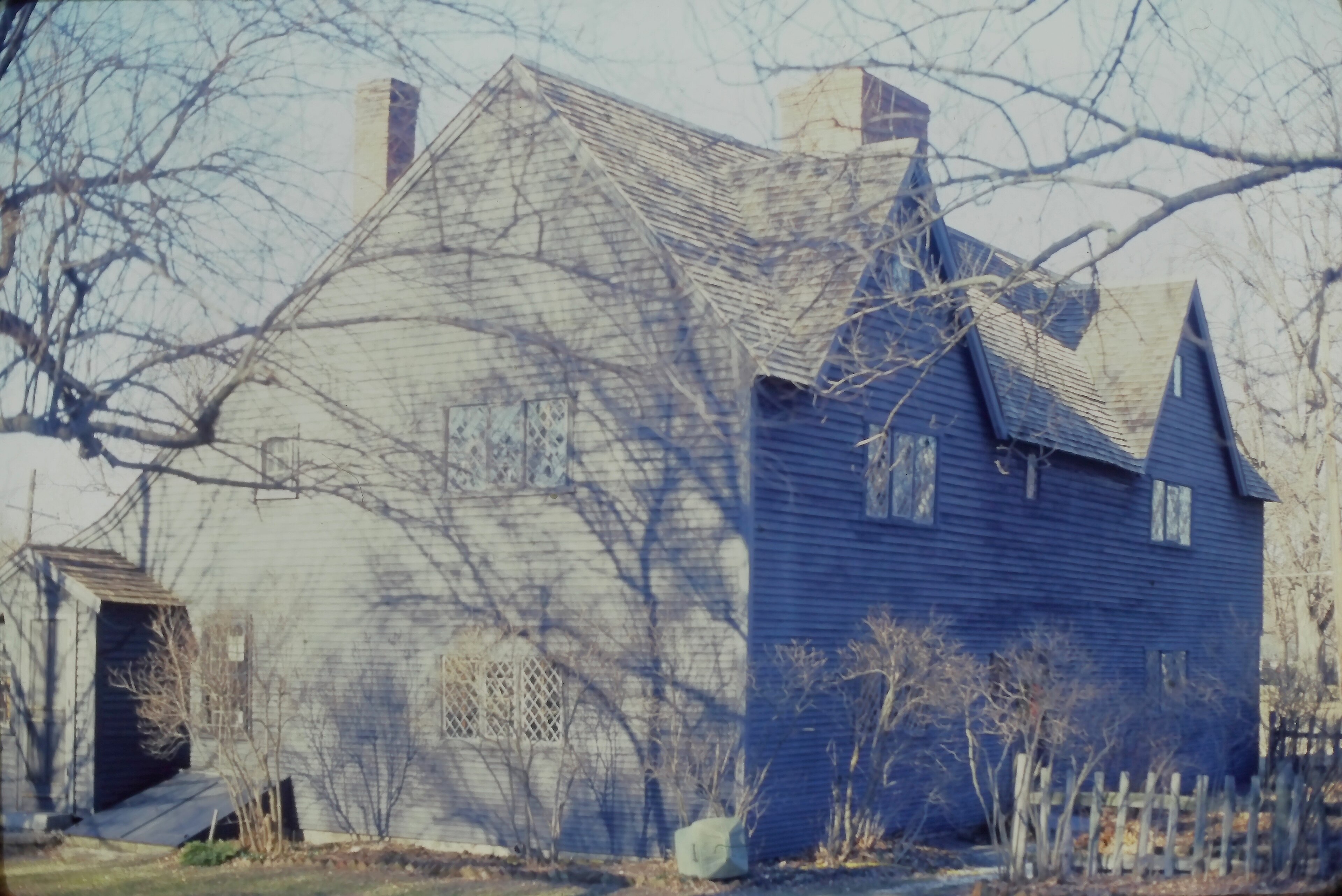
What is a First Period house?
A First Period house is one of the oldest homes in America, among the first the English colonists built in New England, roughly from the 1620s to the 1720s. The builders had learned their trade in English villages and brought that medieval way of working with them, raising heavy oak frames by hand on a new continent. Fewer than 250 still stand, almost all in Massachusetts. The little town of Ipswich has 59, more than anywhere else in the country, and Salem, Saugus, Newbury, and Dedham have their own. To own one is to own a piece of the country’s beginning, and prices reflect how few are left.
Why it’s special
Everything about a First Period house was made by hand, before factories or sawmills, and you can feel it. The frame is hewn oak, often left exposed inside, dark with age and still doing its job after three centuries. The clapboards were split from logs and have weathered to silver. At the heart stands one enormous brick chimney, big enough to feed a fireplace in every main room, and in a New England winter life gathered close around it. The windows are small, and the originals held tiny diamond panes set in lead.
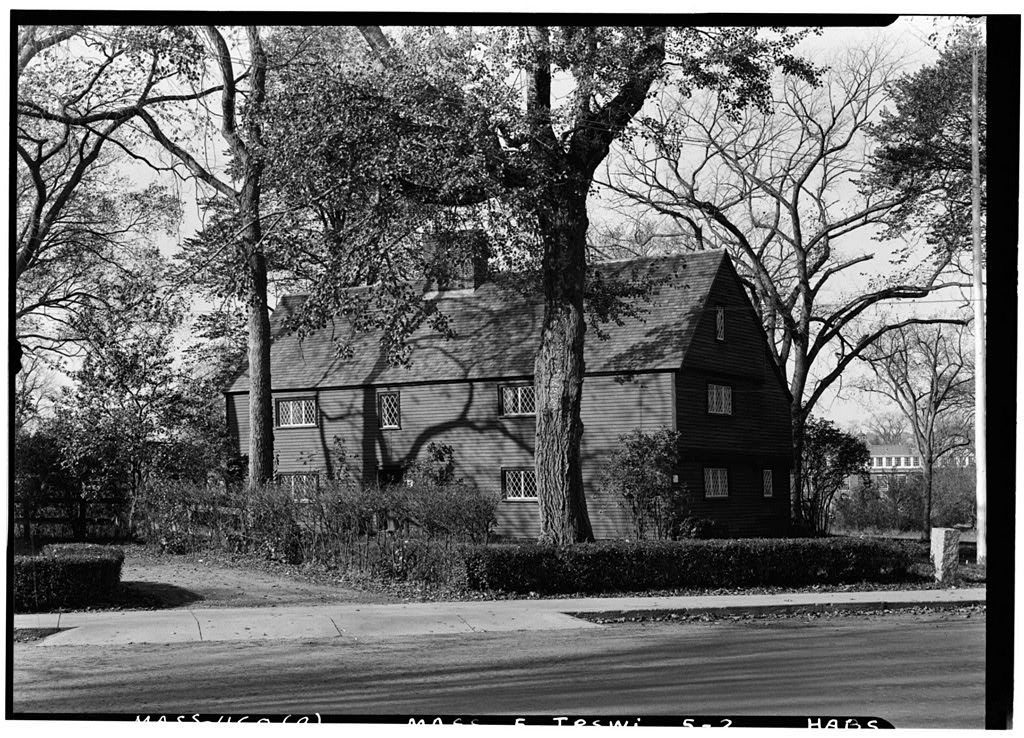
What it’s like to live in one
These houses are low, snug, and full of texture, with beams overhead and floors that have settled over hundreds of years. The light is soft, the rooms are intimate, and nothing is square or standardized. Almost all sit on the North Shore, in the old colonial towns of Essex County. Going in, you are buying a house older than the country: update heating, wiring, and plumbing carefully, and work with preservation specialists rather than an ordinary contractor. Massachusetts and federal historic tax credits can help offset the cost.
Is it the real thing?
A genuine First Period home is the rarest thing in New England real estate. Only a handful change hands in a given year, so the difference between a documented original and a later look-alike is real money. The signs are the single great central chimney, the steep plain roof, the heavy exposed oak frame, and a build date before about 1725. Some early examples were later extended into a Saltbox or remodeled, so the frame inside tells more than the silhouette outside. The state’s historic inventory (MACRIS) and Historic New England keep the canonical records, and the best examples are well documented, like the Fairbanks House in Dedham (1641), the oldest timber-frame house in the country. For a listing to be classified as First Period here, we require a documented build date before roughly 1725 plus independent evidence.
Last reviewed
Common questions about First Period homes
How do you identify a First Period home?
- One massive central chimney serving the whole house
- Steep, plain gable roof
- Small casement windows, originally with diamond-paned glass
- Heavy hand-hewn oak frame, often exposed inside
- Weathered oak clapboards laid close together
When were First Period homes built?
First Period homes were built during 1620–1725.
Where in Massachusetts are First Period homes found?
- Ipswich (59 documented First Period homes — most in any US town)
- Salem, Marblehead, Beverly
- Newbury, Rowley