Unique Homes MA
Federal-Style Homes in Massachusetts
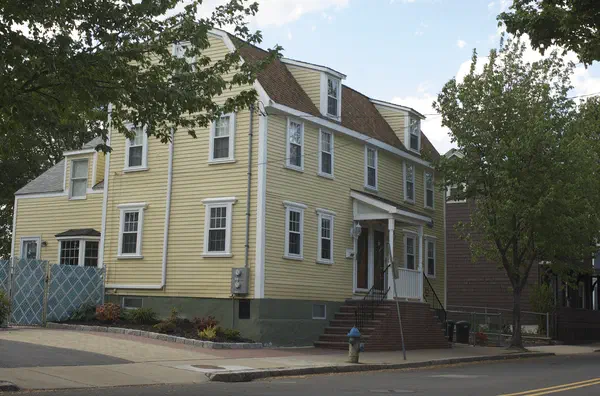
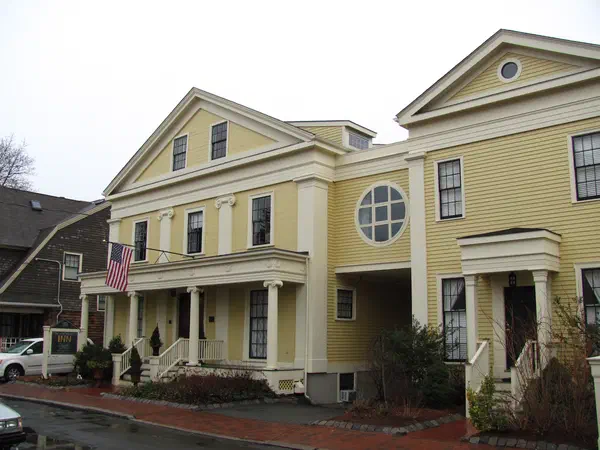
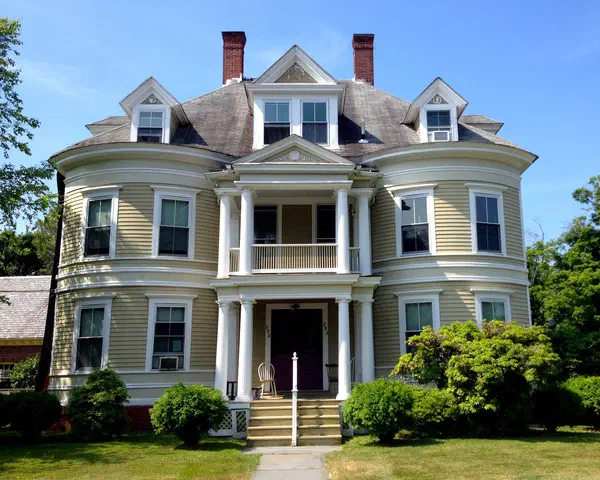
The Federal style (1780–1830) is the architectural signature of post-Revolutionary America — and Boston, Beacon Hill, and Newburyport hold the country's finest concentration.
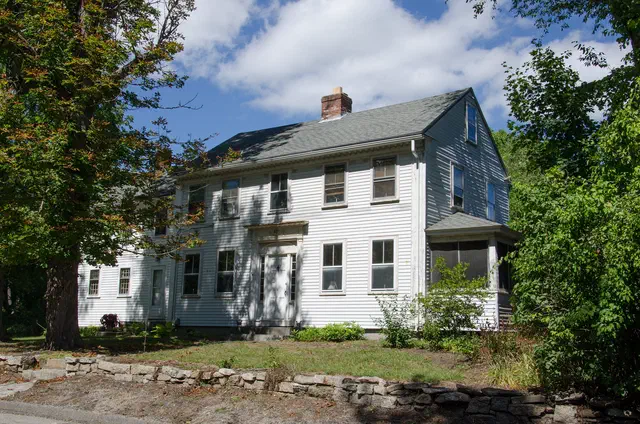
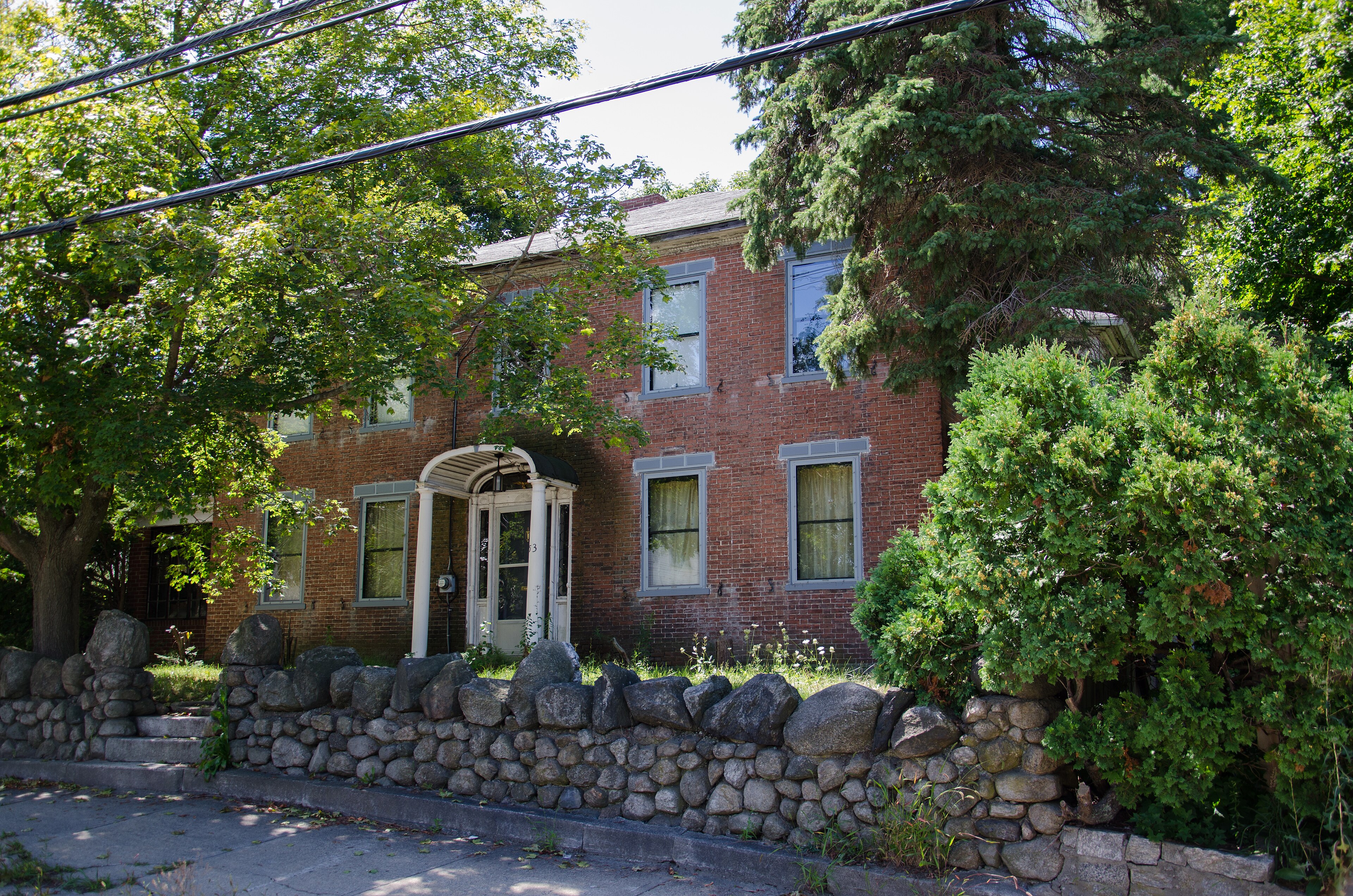
What is a Federal home?
A Federal home is the elegant, early-American house that came of age right after the Revolution, roughly 1780 to 1830, the country’s first homegrown style. Builders took the heavy look of the older Georgian house and made it lighter: a fan-shaped window over the door, slender trim, a balanced front. These houses went up as the young republic made money. Boston, Salem, and Newburyport grew rich from sea trade, and merchants poured that wealth into brick townhouses and clapboard mansions. Charles Bulfinch, the first American-born professional architect, gave Boston its Federal landmark in the Massachusetts State House of 1798.
Why it’s special
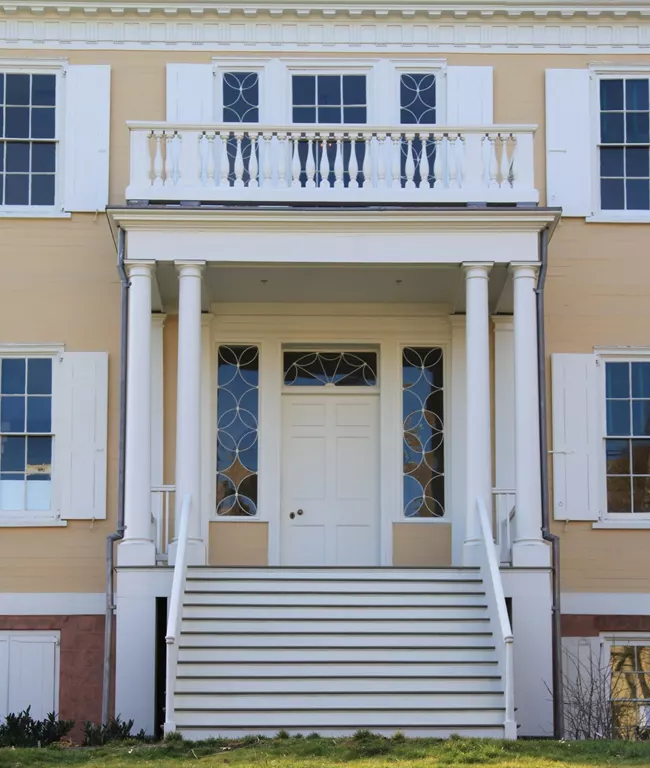
The Federal home is all about the front door. A fanlight, a half-circle of glass set above the door like a sunrise, is the signature you spot first. Narrow windows often frame the entry, and a wide three-part window may sit above it. Much of that delicacy traces to the pattern books of Asher Benjamin, whose 1797 guide put refined details into the hands of ordinary carpenters. That is why a farmhouse in a small Essex County town can carry the same elegant doorway as a Beacon Hill mansion.
What it’s like to live in one
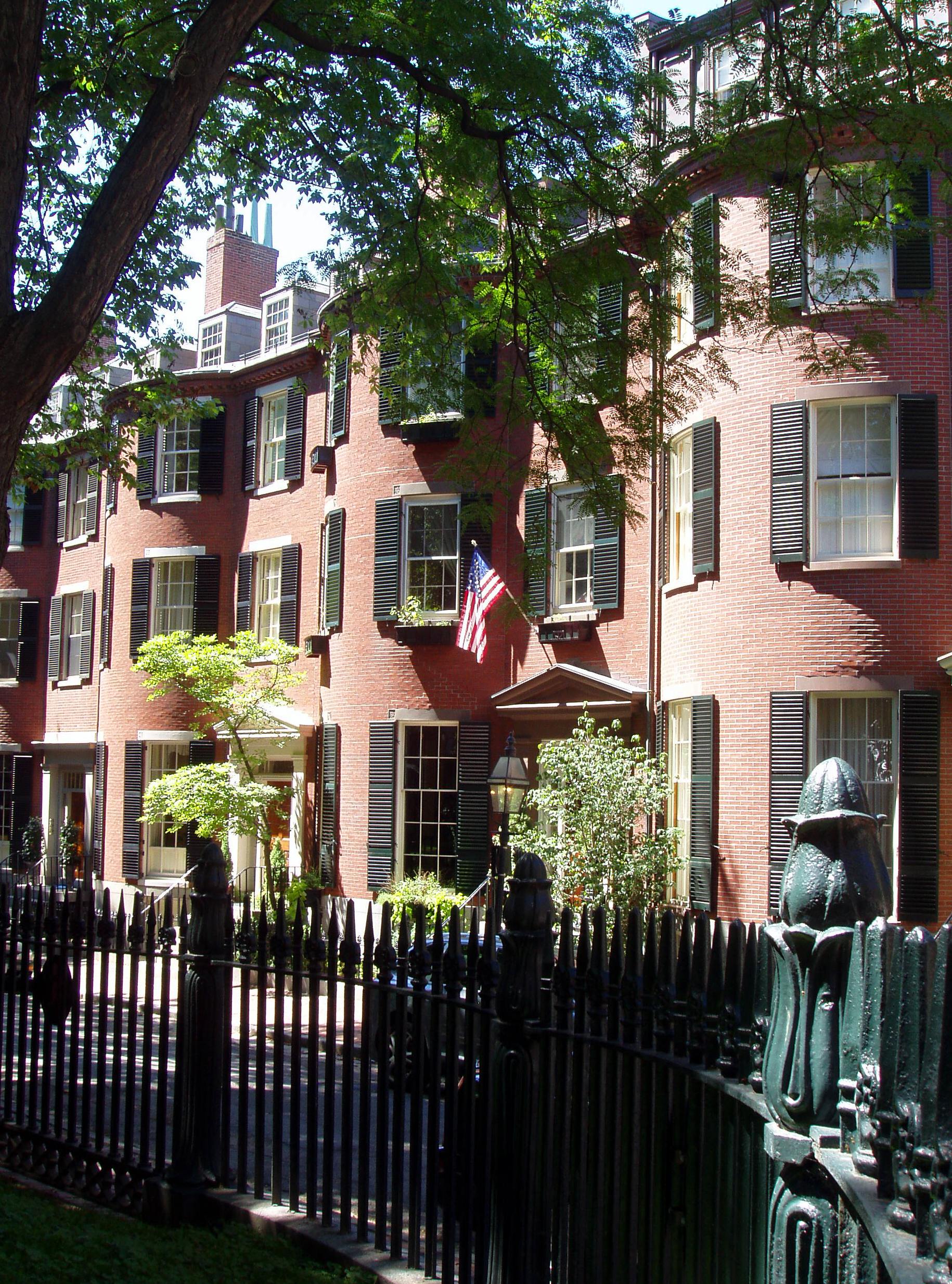
A Federal home feels calm and gracious. Rooms are well-proportioned and full of light, with high ceilings and a quiet symmetry throughout. After the cozy, low-beamed world of older colonial cottages, it feels like more air and more formality. Beacon Hill has the famous brick row houses, many with curved bay windows, built between about 1795 and 1830. Newburyport kept one of the finest runs of clapboard merchant mansions anywhere, frozen in time after the town’s fortunes cooled in 1820. Salem, Concord, Ipswich, and Cambridge have their own pockets. You are buying a very old house, so expect to update the heating, wiring, and plumbing.
Is it the real thing?
A true Federal home is the early-republic original, built between roughly 1780 and 1830, with that light, balanced front and the fan-shaped window over the door. Later styles often borrow the look, so the difference can mean real money on the same street. To classify a listing as Federal here, we require a build date in the period plus independent evidence: a survey record, an assessor record of the era, or a clear note in the listing.
Last reviewed
Common questions about Federal homes
How do you identify a Federal home?
- A fanlight (half-circle window) over the front door
- Narrow windows flanking the entry
- A three-part Palladian window above the door
- Slender, delicate trim and moldings
- A symmetrical, balanced front
When were Federal homes built?
Federal homes were built during 1780–1830.
Where in Massachusetts are Federal homes found?
- Beacon Hill (Boston)
- Newburyport
- Salem
Who designed notable Federal homes in Massachusetts?
- Charles Bulfinch (1763–1844) — the first American-born professional architect
- Asher Benjamin (1773–1845) — author of "The Country Builder's Assistant" (1797)
- Solomon Willard (1783–1861) — architect of the Bunker Hill Monument
- Alexander Parris (1780–1852) — designer of Quincy Market and St. Paul's Cathedral
Current listings (68)
For Sale
Converted Post Office
$499,000
12 On The Common
Royalston
3 bds | 2 ba | 2,657 sqft | Built 1810
MLS ID #73496144, Real Broker MA, LLC
For Sale
Laflin-Phelps Homestead
$379,900
20 Depot St
Southwick
5 bds | 1.5 ba | 3,232 sqft | Built 1805
MLS ID #73494503, The Neilsen Team
For Sale
$1,595,000
110 Washington St.
Sherborn
6 bds | 4.5 ba | 4,526 sqft | Built 1821
MLS ID #73537065, Adams Real Estate Boston, LLC
For Sale
$1,725,000
33 Chestnut St
Salem
5 bds | 2 ba | 4,369 sqft | Built 1828
MLS ID #73533798, Gibson Sotheby's International Realty
For Sale
$749,900
36 Spruce
Middleboro
5 bds | 3 ba | 2,382 sqft | Built 1800
MLS ID #73530129, KAM Realty
For Sale
$1,175,000
696 Commercial St
Weymouth
4 bds | 3 ba | 3,308 sqft | Built 1828
MLS ID #73532865, William Raveis R.E. & Home Services
Under Contract
$895,000
180 Federal St
Salem
4 bds | 2.5 ba | 2,649 sqft | Built 1797
MLS ID #73528405, Gibson Sotheby's International Realty
For Sale
$575,000
8 SOUTH ST
Townsend
2 bds | 1.5 ba | 1,631 sqft | Built 1803
MLS ID #73523364, Coldwell Banker Realty - Westford
For Sale
$14,500,000
22 Louisburg Square
Boston
4 bds | 5 ba | 7,424 sqft | Built 1835
MLS ID #73516197, Campion & Company Fine Homes Real Estate
For Sale
$2,999,000
16 Chestnut Street
Boston
4 bds | 3.5 ba | 3,446 sqft | Built 1860
MLS ID #73512592, RE/MAX Encore
For Sale
$3,495,000
17 Federal St
Newburyport
6 bds | 3.5 ba | 5,876 sqft | Built 1777
MLS ID #73510346, Gibson Sotheby's International Realty
For Sale
$2,699,000
104 Standish St
Duxbury
5 bds | 3.5 ba | 4,100 sqft | Built 1804
MLS ID #73501656, The Firm - Duxbury
For Sale
$8,100,000
79 Pinckney
Boston
5 bds | 5.5 ba | 4,810 sqft | Built 1830
MLS ID #73499862, Brewster & Berkowitz R. E.
For Sale
$8,500,000
11 Chestnut Street
Boston
5 bds | 5.5 ba | 6,596 sqft | Built 1822
MLS ID #73422689, Leading Edge Real Estate
For Sale
$5,145,000
51 High St
Newburyport
7 bds | 8 ba | 7,190 sqft | Built 1798
MLS ID #73476790, Gibson Sotheby's International Realty
For Sale
$3,985,000
51 Pinckney St
Boston
5 bds | 2 ba | 3,900 sqft | Built 1809
MLS ID #73479817, Brewster & Berkowitz R. E.
For Sale
$4,895,000
75 Canton Ave
Milton
7 bds | 5 ba | 6,424 sqft | Built 1820
MLS ID #73445614, Ceres Real Estate
For Sale
$420,000
5 Pleasant St
Upton
3 bds | 1 ba | 1,727 sqft | Built 1810
MLS ID #73530168, Realty ONE Group Suburban Lifestyle
For Sale
$819,900
595 New Bedford Road
Rochester
3 bds | 2 ba | 2,265 sqft | Built 1828
MLS ID #73521608, Conway - Mattapoisett
Under Contract
$1,100,000
100 Clapp Road
Scituate
3 bds | 3 ba | 2,372 sqft | Built 1785
MLS ID #73533541, William Raveis R.E. & Home Services
For Sale
$699,000
751 Washington St
Whitman
3 bds | 2 ba | 1,853 sqft | Built 1810
MLS ID #73528829, Conway - Hanover
For Sale
$919,999
416 Boston Rd
Sutton
4 bds | 2 ba | 3,548 sqft | Built 1818
MLS ID #73510796, Redfin Corp.
Under Contract
$799,000
44 Church St
Wakefield
3 bds | 2.5 ba | 2,163 sqft | Built 1790
MLS ID #73521656, Chinatti Realty Group, Inc.
For Sale
$1,574,000
490 Pleasant St
Belmont
4 bds | 2 ba | 2,521 sqft | Built 1835
MLS ID #73497958, Berkshire Hathaway HomeServices Commonwealth Real Estate
For Sale
$2,175,000
8 Washington Street
Sherborn
5 bds | 5 ba | 5,656 sqft | Built 1818
MLS ID #73489477, Gibson Sotheby's International Realty
For Sale
$898,000
12 Fern St
Lexington
3 bds | 1 ba | 1,408 sqft | Built 1800
MLS ID #73534004, Berkshire Hathaway HomeServices Commonwealth Real Estate
For Sale
$875,000
1 Buffington Hill Road
Worthington
4 bds | 2 ba | 4,105 sqft | Built 1806
MLS ID #73531544, Hilltown Real Estate by Adams Realty
Under Contract
$2,450,000
16 Cordis St
Boston
3 bds | 2.5 ba | 2,330 sqft | Built 1899
MLS ID #73532002, Coldwell Banker Realty - Boston
For Sale
$679,900
16 Middle St
Fairhaven
4 bds | 1 ba | 2,067 sqft | Built 1774
MLS ID #73529943, Compass
For Sale
$2,400,000
7 Fox Hill Rd
Chatham
4 bds | 3 ba | 2,317 sqft | Built 1810
MLS ID #73531982, Gibson Sotheby's International Realty
For Sale
$533,000
296 Main Street
Plainfield
4 bds | 2.5 ba | 3,464 sqft | Built 1831
MLS ID #73525821, Delap Real Estate LLC
For Sale
$899,900
33 Grove Street
Framingham
4 bds | 3 ba | 3,532 sqft | Built 1812
MLS ID #73526025, Coldwell Banker Realty - Framingham
For Sale
$1,749,000
44 Andover Street
North Andover
6 bds | 4.5 ba | 4,245 sqft | Built 1826
MLS ID #73525543, Coldwell Banker Realty - Andovers/Readings Regional
For Sale
$1,675,000
710 County Rd
Bourne
6 bds | 4.5 ba | 4,089 sqft | Built 1825
MLS ID #73528402, Rand Atlantic, Inc.
For Sale
$799,000
14 Main St
Shelburne
3 bds | 2 ba | 1,781 sqft | Built 1850
MLS ID #73525103, Coldwell Banker Community REALTORS®
Under Contract
$1,099,000
190 Main Strteet
Reading
4 bds | 3 ba | 2,196 sqft | Built 1806
MLS ID #73522384, Colonial Manor Realty
Under Contract
$1,495,000
31 Franklin St
Marblehead
1 bds | 1 ba | 1,206 sqft | Built 1760
MLS ID #73524281, Sagan Harborside Sotheby's International Realty
For Sale
$220,000
1 Crane Rd
Chester
4 bds | 2 ba | 2,151 sqft | Built 1800
MLS ID #73520586, Gallagher Real Estate
For Sale
$374,500
1003 Main St
Leicester
10 bds | 2.5 ba | 4,888 sqft | Built 1791
MLS ID #73520901, United Brokers
For Sale
$1,625,000
17 Highland
Dedham
6 bds | 3.5 ba | 3,658 sqft | Built 1830
MLS ID #73518615, Compass
For Sale
$1,299,000
215 Prospect St
Hingham
5 bds | 4 ba | 3,101 sqft | Built 1810
MLS ID #73517956, Coldwell Banker Realty - Cohasset
For Sale
$475,000
23 The Cmn
Royalston
4 bds | 2.5 ba | 2,740 sqft | Built 1800
MLS ID #73520927, LAER Realty Partners
For Sale
$1,195,000
31 Main St
Marion
3 bds | 2 ba | 1,935 sqft | Built 1821
MLS ID #73520843, Demakis Family Real Estate, Inc.
For Sale
$415,000
717-719 Stony Hill Rd
Wilbraham
5 bds | 2.5 ba | 2,578 sqft | Built 1783
MLS ID #73519683, Gallagher Real Estate
For Sale
$749,900
115 East Road
Westminster
4 bds | 2.5 ba | 5,646 sqft | Built 1790
MLS ID #73511696, Berkshire Hathaway HomeServices Commonwealth Real Estate
Under Contract
$599,000
155 Plympton Street
Middleboro
5 bds | 3.5 ba | 2,722 sqft | Built 1806
MLS ID #73514428, LandVest, Inc.
For Sale
$1,199,000
291 Brighton St
Belmont
4 bds | 2.5 ba | 2,712 sqft | Built 1827
MLS ID #73515664, Berkshire Hathaway HomeServices Commonwealth Real Estate
For Sale
$1,750,000
34 Mount Pleasant Street
Rockport
7 bds | 7.5 ba | 3,960 sqft | Built 1832
MLS ID #73516399, Compass
Under Contract
$2,495,000
473 Main Street
Amesbury
4 bds | 2.5 ba | 3,154 sqft | Built 1785
MLS ID #73511816, Carey & Giampa REALTORS®
For Sale
$2,785,000
58 Osgood St
North Andover
5 bds | 4.5 ba | 5,880 sqft | Built 1830
MLS ID #73508669, Gibson Sotheby's International Realty
For Sale
$1,450,000
77 Pinnacle Rd
Harvard
4 bds | 2 ba | 3,820 sqft | Built 1727
MLS ID #73508241, MRM Associates
For Sale
$579,900
1 Whitney Rd
Shirley
4 bds | 2.5 ba | 3,344 sqft | Built 1806
MLS ID #73500362, Coldwell Banker Realty - Leominster
For Sale
$2,195,000
105 High Road
Newbury
4 bds | 3.5 ba | 3,676 sqft | Built 1825
MLS ID #73501017, Compass
For Sale
$9,403,000
52 South Summer Street
Edgartown
6 bds | 5 ba | 6,135 sqft | Built 1860
MLS ID #73497893, Wallace & Co. Sotheby's International Realty
For Sale
$649,000
8 South St
Townsend
2 bds | 1.5 ba | 1,631 sqft | Built 1803
MLS ID #73497385, Coldwell Banker Realty - Westford
For Sale
$2,149,000
122 Great Plain Ave
Wellesley
4 bds | 3.5 ba | 3,122 sqft | Built 1830
MLS ID #73494412, NorthStar Real Estate, LLC
For Sale
$499,900
189 Fitchburg Rd
Ashburnham
3 bds | 2 ba | 2,372 sqft | Built 1800
MLS ID #73494557, LAER Realty Partners
For Sale
$1,275,000
316 Summer St
Marshfield
4 bds | 2 ba | 3,255 sqft | Built 1827
MLS ID #73491121, Conway - Plymouth
For Sale
$187,970
804 Main St
Ashby
4 bds | 2 ba | 2,455 sqft | Built 1790
MLS ID #73485165, Keller Williams South Watuppa
For Sale
$310,000
1 Crane Rd
Chester
4 bds | 2 ba | 2,151 sqft | Built 1800
MLS ID #73426443, Gallagher Real Estate
For Sale
$1,599,500
10 Baldwinville Rd.
Templeton
4 bds | 4.5 ba | 4,624 sqft | Built 1770
MLS ID #73478789, Channing Real Estate
For Sale
$339,000
342 Chestnut St
Uxbridge
2 bds | 1.5 ba | 1,404 sqft | Built 1800
MLS ID #73478646, Fayyad Realty Advisors
For Sale
$2,490,000
45 School St
Manchester
5 bds | 4.5 ba | 4,537 sqft | Built 1812
MLS ID #73477220, Gibson Sotheby's International Realty
For Sale
$1,685,000
491 Main Street
Acton
4 bds | 4.5 ba | 5,012 sqft | Built 1806
MLS ID #73344415, The Attias Group, LLC
For Sale
$4,999,000
66 Tides End Ln
Orleans
4 bds | 3 ba | 3,867 sqft | Built 1806
MLS ID #73434698, Compass
For Sale
$4,995,000
764 East Hill Road
New Marlboro
5 bds | 5.5 ba | 5,002 sqft | Built 1798
MLS ID #73451336, William Pitt Sotheby's International Realty
Sold
$6,700,000
90 Mount Vernon St
Boston
5 bds | 4.5 ba | 4,996 sqft | Built 1826
MLS ID #73382993, Gibson Sotheby's International Realty
Sold
$1,485,000
52 Salem St
Andover
5 bds | 3 ba | 3,282 sqft | Built 1816
MLS ID #73474991, RE/MAX Partners