Unique Homes MA
Berkshire Cottage Estates of Massachusetts
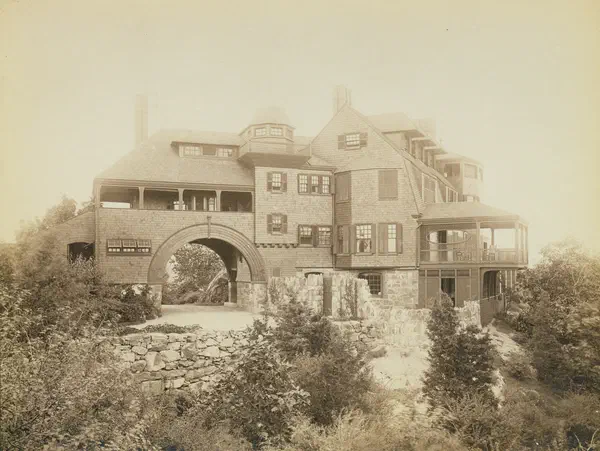
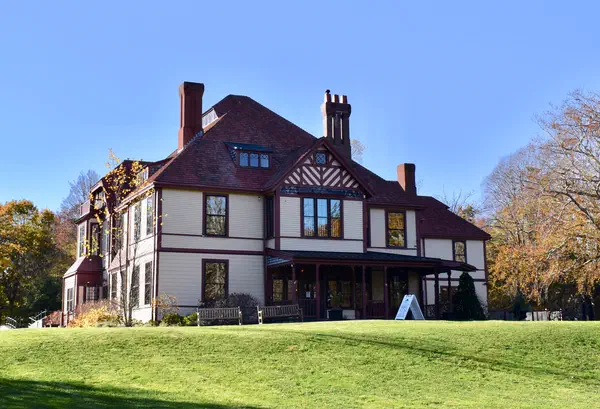
Berkshire Cottages (1880-1910) are the Gilded Age summer estates of Lenox, Stockbridge, and Great Barrington — multi-million-dollar mansions with the modest name 'cottage'.
What is a Berkshire Cottage?
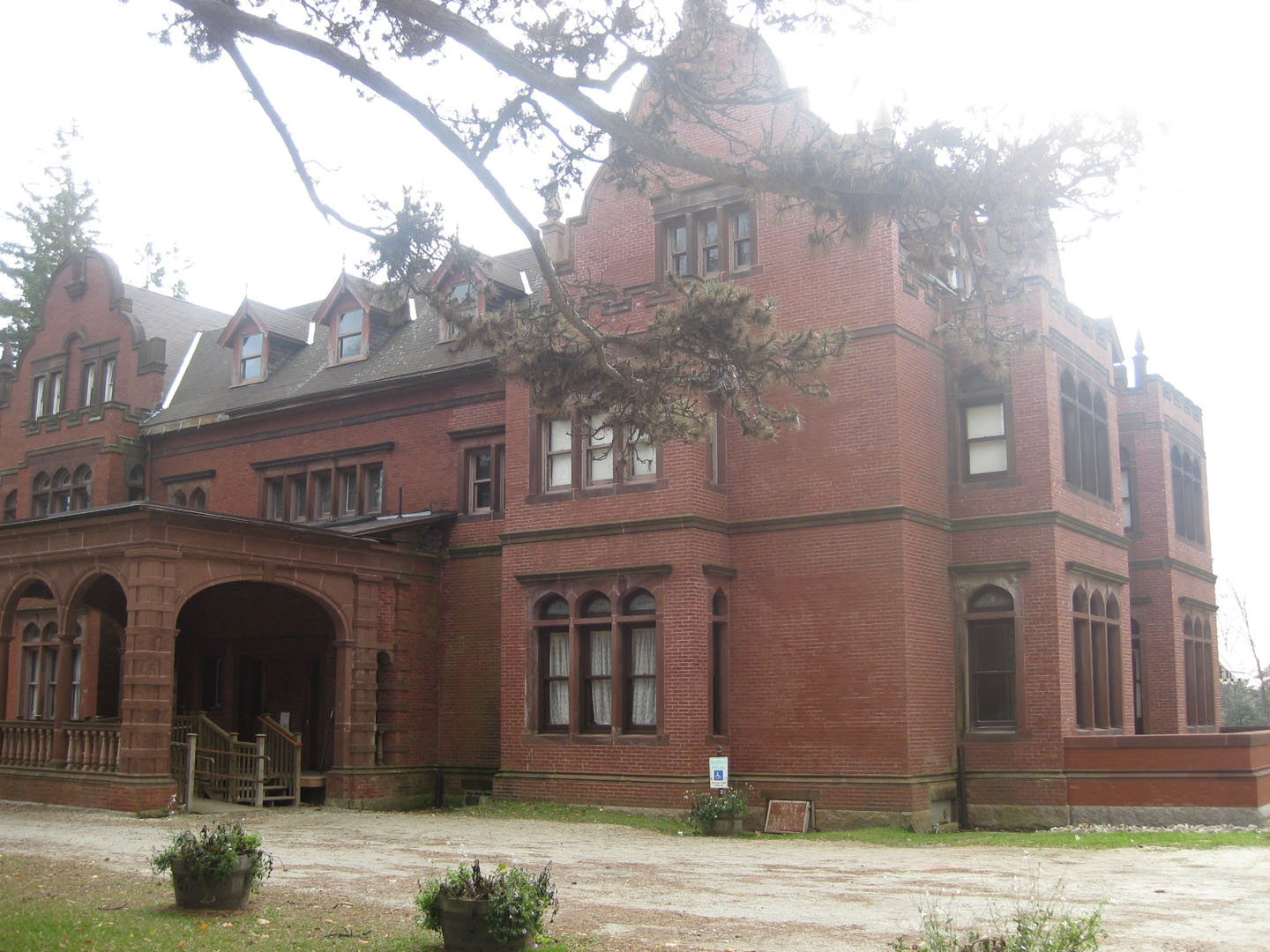
A Berkshire Cottage is a Gilded Age summer mansion in the hills of western Massachusetts, built mostly between 1880 and 1910 around Lenox and Stockbridge. The word “cottage” was a rich family’s joke. These are among the grandest houses in the state, with twenty or more rooms and whole wings for staff. The Vanderbilts, Carnegies, and Morgans, who already had city homes elsewhere, came for the cool mountain air. The boom faded after World War I, when taxes rose and the fashion passed. Of the roughly eighty estates, perhaps half survive as inns, museums, schools, and private homes.
Why they’re special
No two are alike. Each owner chose a style to make a statement, so the Berkshires hold Tudor manors next to French chateaux next to Italian villas and breezy Shingle Style houses. An estate here is more than one building: the mansion, then a carriage house, a gatehouse, a gardener’s cottage. The grounds were laid out by the best landscape architects of the day, the Olmsted Brothers among them.
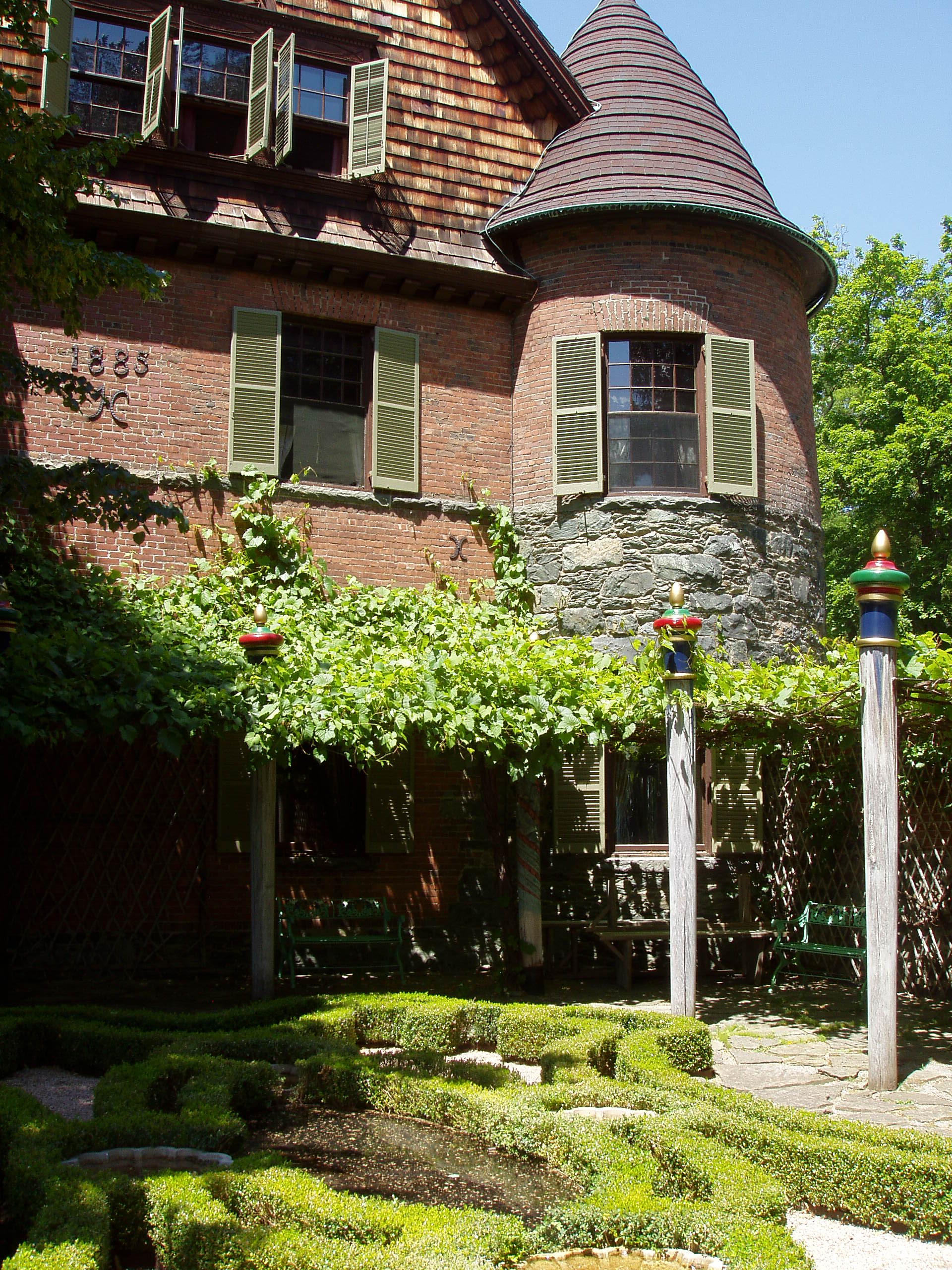
What it’s like to live in one
Living in a Berkshire Cottage means living with history on a rare scale. The rooms were built for entertaining, with ballrooms, libraries, and conservatories, and the hill views are why these families came. The upkeep is real: roofs, heating, and acres of landscape all need ongoing money, which is why many of the original mansions are now inns or museums. The ones that still trade as private homes are most often the smaller estate buildings, a former gatehouse or carriage house. For the full mansion, go in with a budget to match.
Is it the real thing?
Scale is the first test. A six-bedroom summer house is lovely, but the true Berkshire Cottages ran far larger, with multiple wings and outbuildings on acres of designed grounds. The surest proof is the paper trail. Most were designed by well-documented firms like McKim, Mead & White and Peabody & Stearns, with the original owners in the record. The best-known cluster in Lenox and Stockbridge: The Mount, Naumkeag, Ventfort Hall, and Wheatleigh. For a listing to count as a Berkshire Cottage here, we look for estate scale, designed grounds, a Gilded Age build date, and a documented architect or owner, confirmed in the state inventory (MACRIS).
Last reviewed
Common questions about Berkshire Cottages homes
How do you identify a Berkshire Cottages home?
- Mansion scale, often 20 or more rooms across several wings
- Acres of designed grounds, with gardens, terraces, and fountains
- A main house plus carriage house, gatehouse, and other outbuildings
- Eclectic high style: Tudor, French, Beaux-Arts, Italian, or Shingle
- Ballrooms, libraries, conservatories, and other rooms built for entertaining
When were Berkshire Cottages homes built?
Berkshire Cottages homes were built during 1880–1910.
Where in Massachusetts are Berkshire Cottages homes found?
- Lenox — the densest cluster (Bellefontaine, Wheatleigh, The Mount, Ventfort, Cranwell, Shadow Brook)
- Stockbridge — Naumkeag, Chesterwood (Daniel Chester French)
- Great Barrington, Tyringham, Lee — scattered estates
Who designed notable Berkshire Cottages homes in Massachusetts?
- McKim, Mead & White — many Berkshire estates
- Carrère & Hastings — Bellefontaine (Lenox, 1897)
- Peabody & Stearns — Wheatleigh (Lenox, 1893), Elm Court (Lenox, 1886)
- Stanford White — Naumkeag (Stockbridge, 1885)
- Charles A. Platt — landscape designer for many