Unique Homes MA
Back Bay Brownstone Homes
The Back Bay Brownstone (1857-1900) is Boston's grand Victorian rowhouse — chocolate-brown sandstone facades, high stoops, and a 25-foot lot width on the Mill Pond's reclaimed land.
What is a Back Bay Brownstone?
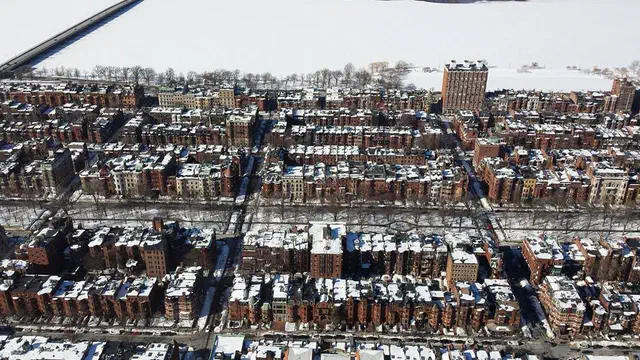
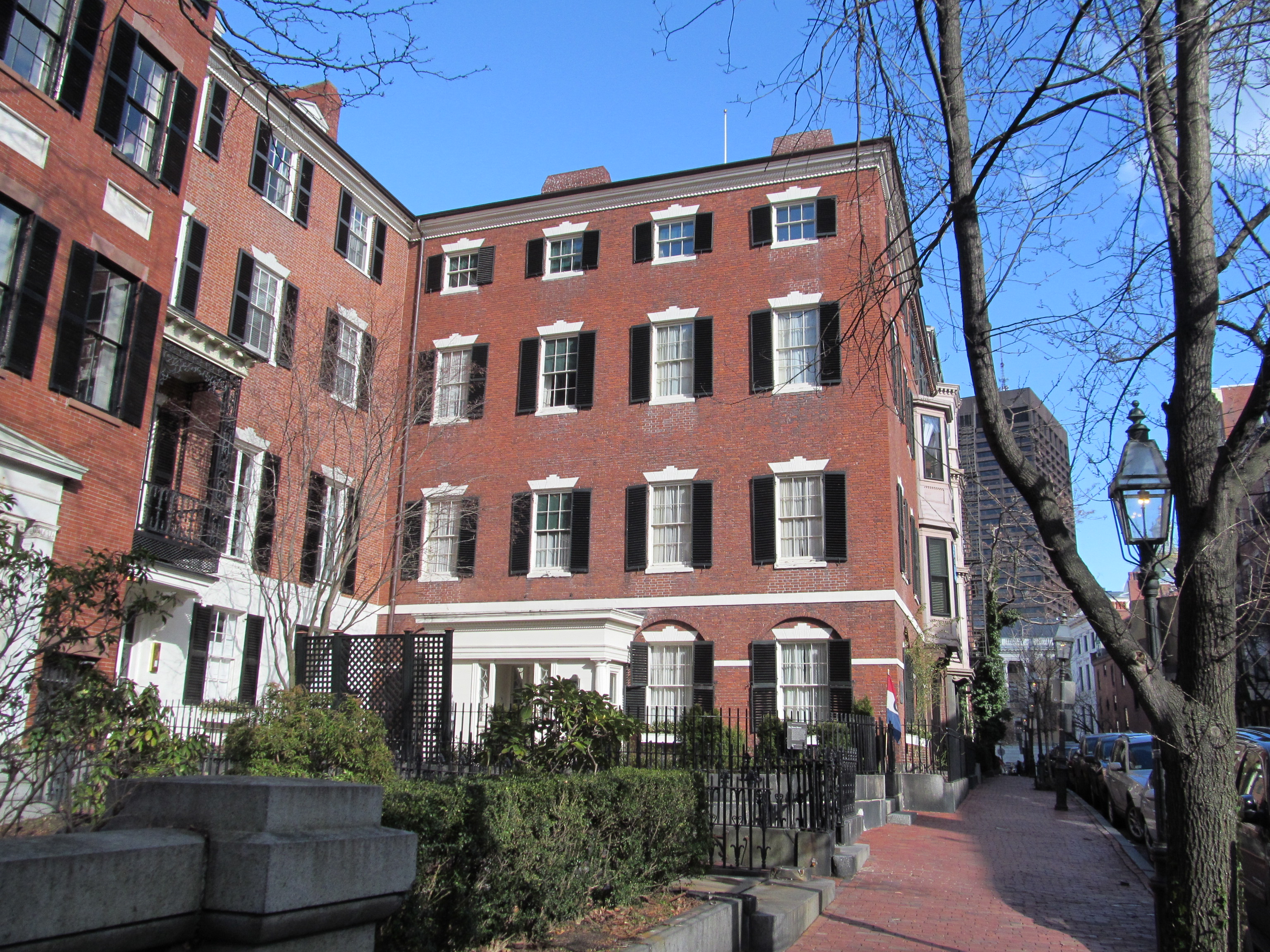
The Back Bay Brownstone is Boston’s grand Victorian rowhouse: a tall, attached house faced in chocolate-brown stone, with a high front stoop and a bay window over a tree-lined boulevard. They went up between about 1860 and 1900 on reclaimed land. Boston had no room to grow, so the city spent decades filling the old Mill Pond to make 250 acres, then laid a grid of wide streets. The name comes from a warm brown sandstone quarried in Portland, Connecticut, soft enough for masons to cut deep window hoods and ornate doorways. Commonwealth Avenue and Marlborough Street housed Boston’s old families. Many are now condominiums.
Why it’s special
A Back Bay block is a single, unbroken design, built to shared rules on height and setback, so the whole street reads as one composition. The cornices line up, the stoops march in rhythm, and the curved bay windows give the street a gentle ripple. Inside, the rooms run to a generous Victorian scale: tall ceilings, deep windows, and a formal floor above the street.

What it’s like to live in one
This is handsome city living, a walk from the Public Garden and the T. Most homes are condominiums carved out of the original houses, so you get the grand windows and high ceilings without owning the whole building. The nearby South End and Beacon Hill have their own rowhouses. These remain old buildings: brownstone weathers and needs repointing, and the systems have often been updated more than once. In a condo much of that is shared, so read the finances closely. A whole house is rare and runs into the tens of millions.
Is it the real thing?
The Back Bay is one of the best-preserved city districts in America, protected since the 1890s by a commission that still reviews any facade change. To count as a Back Bay Brownstone here, a listing needs an address within the historic district and a Victorian-era build date, confirmed against the state inventory (MACRIS). A brick rowhouse in the South End or a Federal house on Beacon Hill is a different tradition, and we keep them separate.
Last reviewed
Common questions about Back Bay Brownstone homes
How do you identify a Back Bay Brownstone home?
- A tall, attached rowhouse in a continuous block of near-identical neighbors
- Chocolate-brown stone front (the brownstone), sometimes with plain brick on the side walls
- A high front stoop, with stone steps climbing to the main floor above the sidewalk
- A bay window, often curved (a bowfront), on the floor above the stoop
- A mansard roof on some blocks, a flat roofline with a cornice on others
When were Back Bay Brownstone homes built?
Back Bay Brownstone homes were built during 1857–1900.
Where in Massachusetts are Back Bay Brownstone homes found?
- Back Bay (Boston) — exclusively. The district is a 250-acre rectangle of reclaimed tidal land bounded by the Public Garden, Charles River, Mass Ave, and Boylston/Stuart
- South End (Boston) — adjacent district has related but distinct Italianate brownstone variant — see /styles/south-end-italianate/
- Cambridge — a few isolated examples on Brattle and Garden Streets
Who designed notable Back Bay Brownstone homes in Massachusetts?
- Gridley J. F. Bryant — prolific Back Bay rowhouse designer
- Snell & Gregerson — many Commonwealth Avenue houses
- Peabody & Stearns — later high-style examples
- Charles A. Cummings — multiple commissions
- Most houses are builder-designed within architect-set neighborhood patterns