 Unique Homes MA
Antique Pre-1900 Homes in Massachusetts
Massachusetts has the deepest stock of pre-1900 residential architecture in America — First Period, Georgian, Federal, Greek Revival, and the Victorian styles. Browse all current and recently-sold antique listings.
What “pre-1900” means here
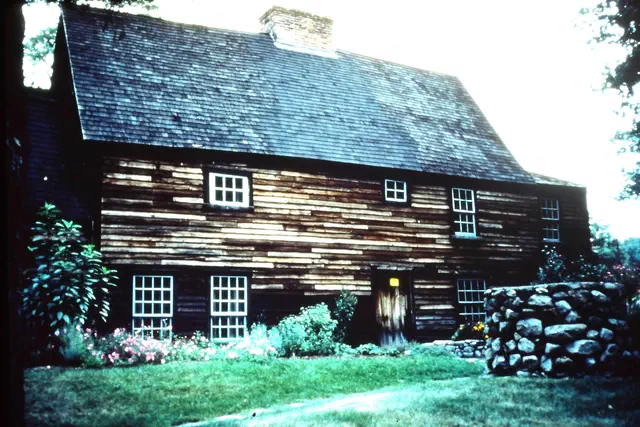
This page gathers every Massachusetts home built before 1900, which pulls in five traditions of building. The oldest are First Period houses (1620s to 1720s), the earliest English homes in America, with massive central chimneys. Then come the Georgian colonials (1720s to 1780s), formal and symmetric, the high-style homes of pre-Revolutionary Boston and Salem. After the Revolution came the Federal style (1780s to 1830s), slender and refined, the look of Beacon Hill. The temple-fronted Greek Revival (1820s to 1860s) followed. Last is the Victorian family (1840s to 1900): Italianate, Second Empire, Queen Anne, and the rest, the ornate homes the mill cities built their fortunes into. In the local market, “pre-1900” is the line between true 19th-century work and the 20th-century Colonial Revival copies that came after.
Why these homes are special
Massachusetts has the deepest stock of genuinely old houses in the country. The state’s economic booms lined up with the great eras of American building, one after another, from the maritime fortunes of the early 1800s to the Gilded Age. Each wave left homes behind, and many are still standing and still lived in. They were built by hand, before factories and standard parts: wide pine floors, plaster walls, real wood windows, and joinery you cannot buy new. The supply is fixed.
What it’s like to own one
Owning one is a real commitment. Expect to update or maintain heating, wiring, and plumbing, and to set money aside each year for upkeep, roughly one to two percent of the home’s value annually once it’s restored. Original windows, slate roofs, and plaster need trades who know old houses. Insurance is its own product, because a standard policy often won’t cover the full cost of rebuilding a hand-framed house. Many of these homes also sit inside Local Historic Districts, which means design review for exterior changes. State and federal historic tax credits can offset a chunk of restoration cost if you qualify.
How we classify it
For a listing to land in this period, we require a documented build date before 1900, pulled from assessor records, historic surveys, and listing detail. We don’t guess from style alone, because a 1925 Colonial Revival can look the part without being old. The MA Historical Commission’s MACRIS inventory (mhc-macris.net) is the canonical reference for a verified year of construction. When a listing appears in MACRIS, that is strong, independent proof of age.
Last reviewed