 Unique Homes MA
Royal Barry Wills: Cape Cod Cottages in Massachusetts
Royal Barry Wills (1895–1962) was the dean of the 20th-century Cape Cod cottage revival. His Boston office produced thousands of designs; the firm continues today as Royal Barry Wills Associates.

Who was Royal Barry Wills?
Royal Barry Wills (1895-1962) was the Boston architect who made the Cape Cod cottage the home postwar America wanted. He opened his practice in 1925 and led the field in small, traditional houses for middle-class families. By his death his office had drawn more than 2,500 designs, almost all in New England. In 1938 Better Homes & Gardens named one of his Capes “The Most Livable House in America.” His houses looked two centuries old but had modern wiring and heat.
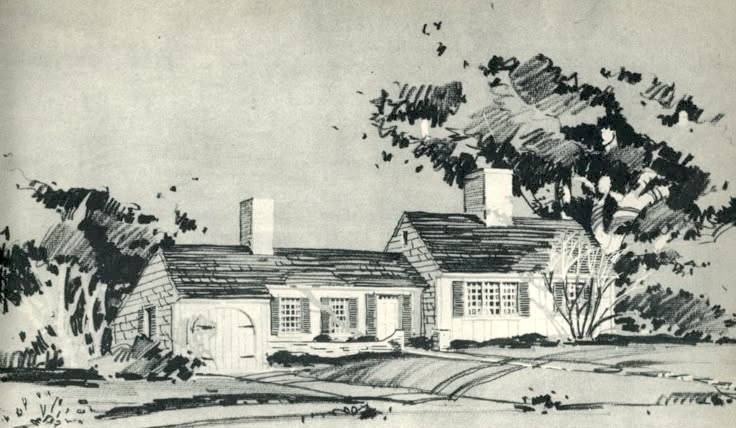
Why it’s special
A Wills Cape shows a steep roof, a centered front door under a small hood, a brick chimney through the middle, and wood siding with working shutters. The garage tucks behind a side breezeway. The detail buyers prize most is the bowed dormer, a softly curved roof window that was the office calling card. A 1940s Cape with that curve is more likely a true Wills. He also designed Garrisons and Saltboxes, but the small Cape was his legacy.
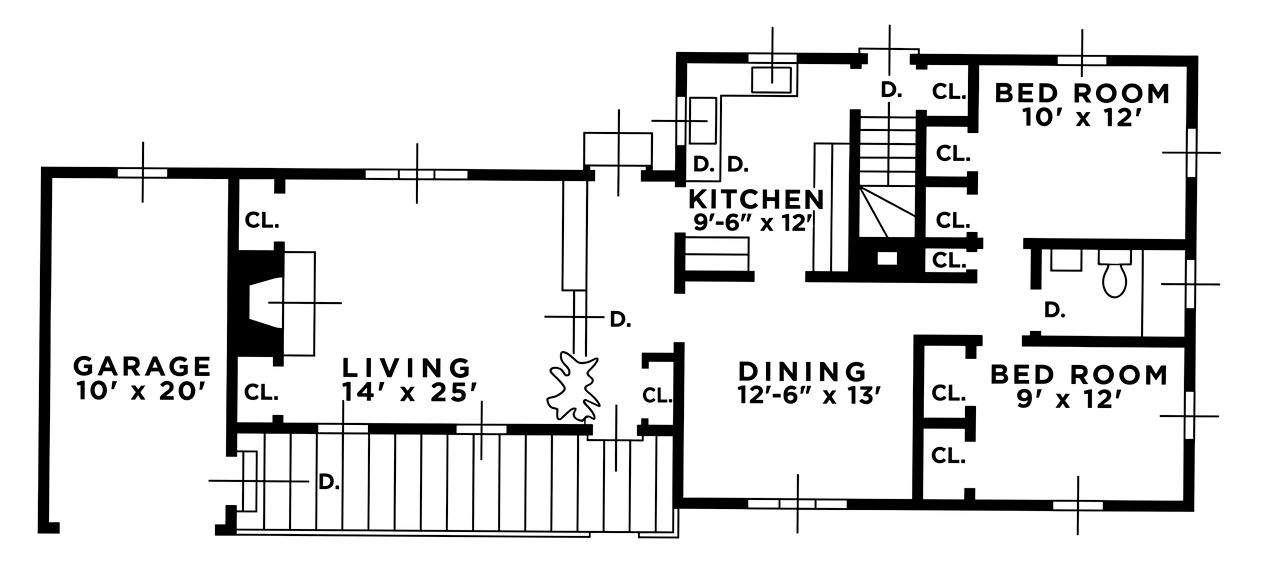
What it’s like to live in one
A Wills house feels settled and warm. Rooms are well-organized, storage is generous for its age, and the fireplace anchors the home. Lexington has the densest concentration, with Wellesley, Weston, and Wayland the next ring. On the South Shore his cottages sit beside 18th-century Capes in Cohasset, Hingham, and Milton. Expect the upkeep any mid-century house asks for.
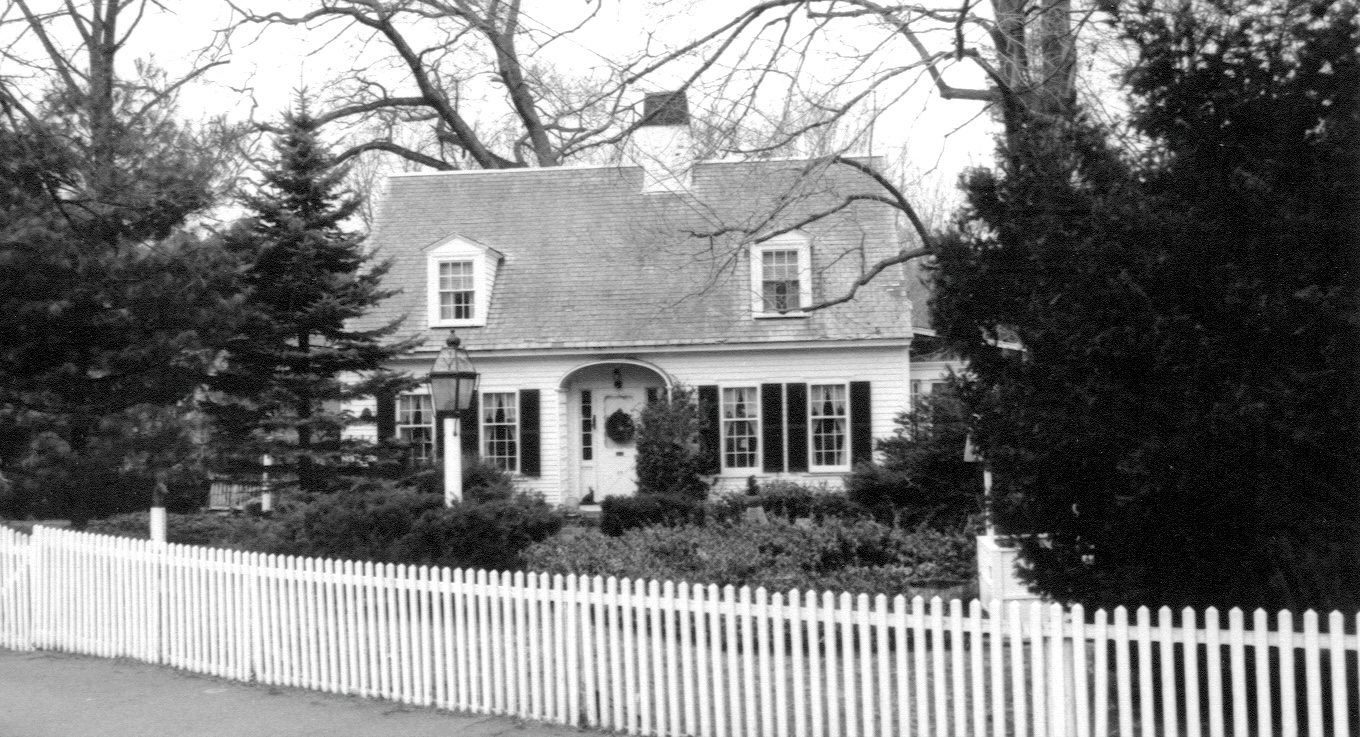
Is it the real thing?
Many listings claim a Wills connection, and many are right, but he had imitators. The strongest proof is documentation: the Massachusetts historic inventory (MACRIS) records Wills houses by address, and Historic New England holds his office archive. We sort listings into three levels. A Documented Wills is confirmed by MACRIS or Historic New England. A Claimed Wills lacks the paper trail and is kept separate. A Wills-influenced home looks the part but carries no attribution; those appear under Colonial Revival or Original Cape. Royal Barry Wills Associates still works from Boston and can confirm a house against the original office.
Last reviewed
Current listings (8)
Sold
$2,600,000
3 Franklin Road
Lexington
3 bds | 3.5 ba | 3,903 sqft | Built 1956
MLS ID #73485566, Berkshire Hathaway HomeServices Commonwealth Real Estate
For Sale
$845,000
114 Chestnut Street
Andover
3 bds | 1.5 ba | 1,688 sqft | Built 1937
MLS ID #73530582, Realty Marketplace
For Sale
$2,599,000
32 Hickory Cliff Rd
Newton
4 bds | 4.5 ba | 3,469 sqft | Built 1939
MLS ID #73502949, Quintess Real Estate
Sold
$1,125,000
127 Fairway Drive
Newton
3 bds | 1 ba | 1,673 sqft | Built 1939
MLS ID #73511100, Coldwell Banker Realty - Newton
Sold
$1,249,000
13 Independence
Hingham
4 bds | 3 ba | 2,136 sqft | Built 1950
MLS ID #73488409, Coldwell Banker Realty - Hingham
Sold
$1,349,000
65 Walpole St
Dover
4 bds | 2 ba | 2,991 sqft | Built 1954
MLS ID #73499026, Navigate Real Estate Corp.
Sold
$1,010,000
32 Pope Road
Acton
4 bds | 2 ba | 2,027 sqft | Built 1940
MLS ID #73485210, Barrett Sotheby's International Realty
Sold
$1,006,000
340 N Main St
Natick
4 bds | 3 ba | 2,626 sqft | Built 1939
MLS ID #73485490, Coldwell Banker Realty - Wellesley