 Unique Homes MA
Lustron Houses in Massachusetts
Lustron (1948-1950) was a postwar prefab manufacturer that shipped ~2,500 enameled-steel modular houses nationwide. Roughly 22 came to Massachusetts; 17 are still standing.
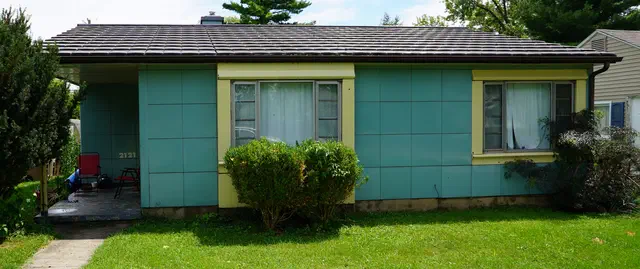
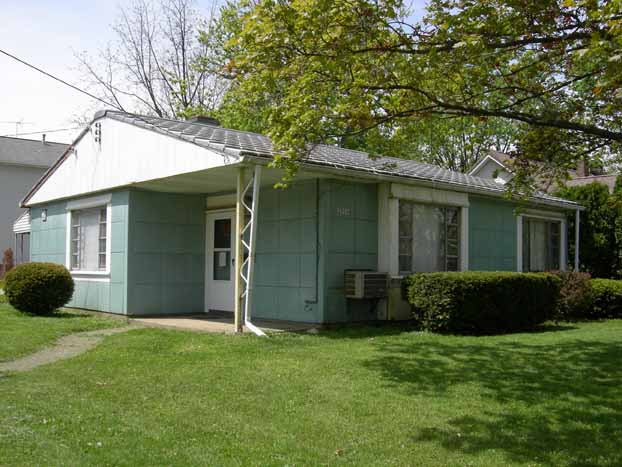
What is a Lustron?
A Lustron is a house made almost entirely of steel. The Lustron Corporation built them from 1948 to 1950 in Columbus, Ohio, to ease the postwar housing shortage. Walls, roof, and cabinets came off an assembly line coated in baked-on porcelain enamel, the glassy finish you find on a stove. A finished house shipped flat on a truck and bolted together on its slab in about two weeks. Lustron went bankrupt in 1950 after only about 2,500 houses nationwide, undone by high costs and a financing scandal. That short run is why it is rare.
Why it’s special
A Lustron was built to never need painting. Porcelain enamel does not fade or peel, so the color often looks crisp now. The steel runs all the way through, from outside walls to built-in cabinets, with no drywall or plaster. Magnets stick to the walls, and pictures hang from them, since you cannot nail into a porcelain panel.
What it’s like to live in one
A Lustron is compact and sits on a slab, with no basement and little attic. The panel system does not take additions, and drilling the exterior breaks the porcelain seal that protects the steel.
In Massachusetts they turn up mostly in the Berkshires, especially around Pittsfield, with a scatter across Greater Boston, the Pioneer Valley, and the South Shore. Repairs need factory-original steel parts, and owners trade salvaged panels through the Lustron Research owner register. Many models heat through coils in the ceiling panels, costly to fix.
Is it the real thing?
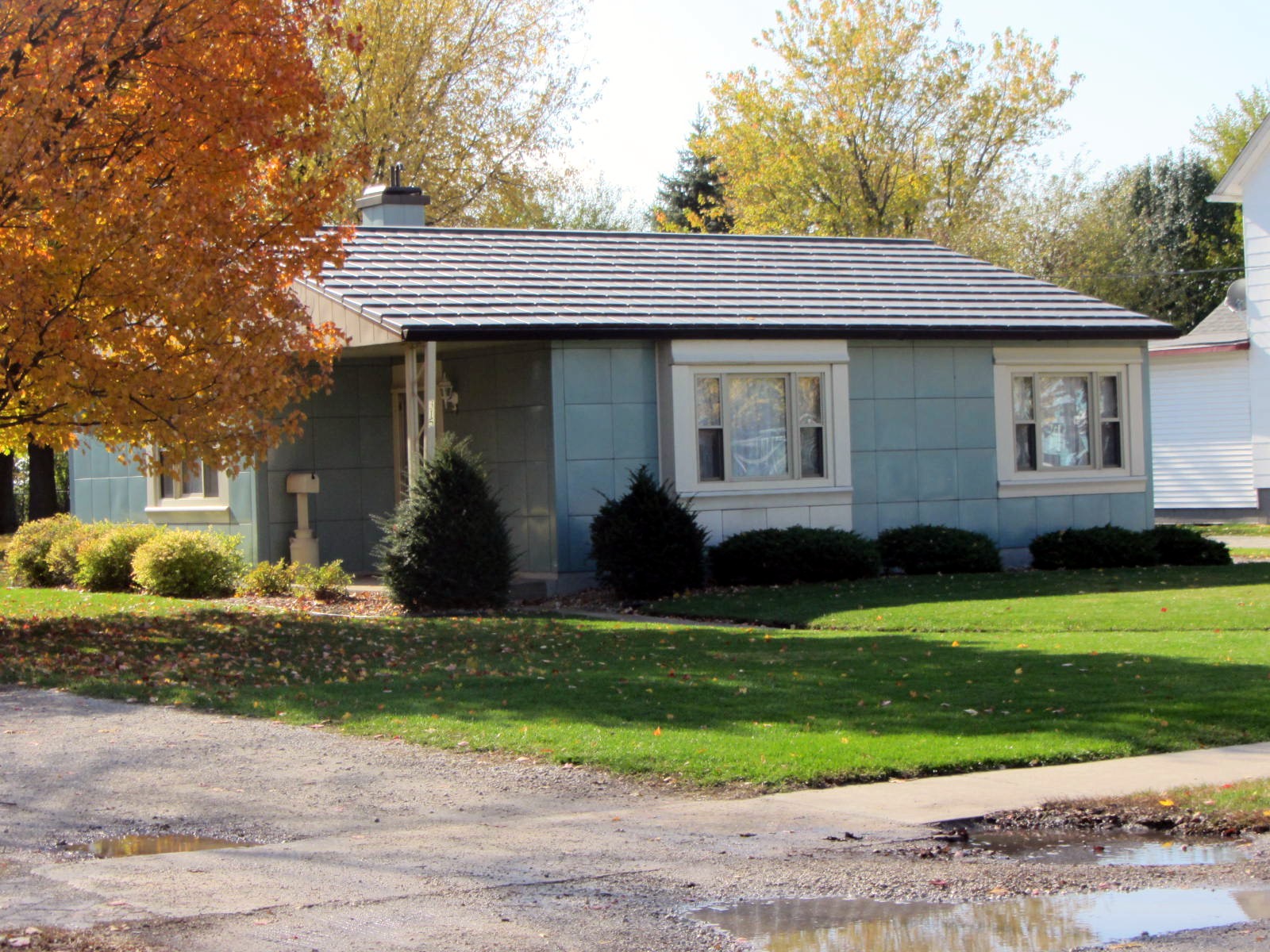
A real Lustron is unmistakable: steel inside and out, the square grid of enameled panels on every surface including the roof, and the magnet on the wall. With roughly 22 sent to Massachusetts (17 still standing), one for sale is rare. We classify a listing by matching it against a curated index of the documented Massachusetts houses, and we promote any whose remarks mention “Lustron” with a build year from 1948 to 1952. The best-documented survivor is the Jennings House at 22 Payson Road in Brookline, a Westchester in desert tan. For an introduction, the National Trust for Historic Preservation overview is a good start.
Last reviewed