 Unique Homes MA
Asher Benjamin Buildings & Pattern-Book Houses in Massachusetts
Asher Benjamin (1773–1845) wrote the books that built Federal and Greek Revival America — pattern-book designs that local carpenters copied into thousands of New England houses.
Who was Asher Benjamin?
Asher Benjamin (1773 to 1845) is a little-known architect whose fingerprints are all over old New England, all through his books. Born in Connecticut and trained as a house carpenter, he published the first American architectural pattern book in 1797 and wrote six more. The most popular, “The American Builder’s Companion” (1806), stayed in print for forty years. The books held ready-to-copy drawings of front doors, mantels, window trim, and whole house plans. A carpenter could buy one and build a graceful home without meeting an architect.
Why it’s special
His books gave country builders the elegant designs wealthy city families paid famous architects for. A carpenter could open a book and build a Federal house with a fanlight.
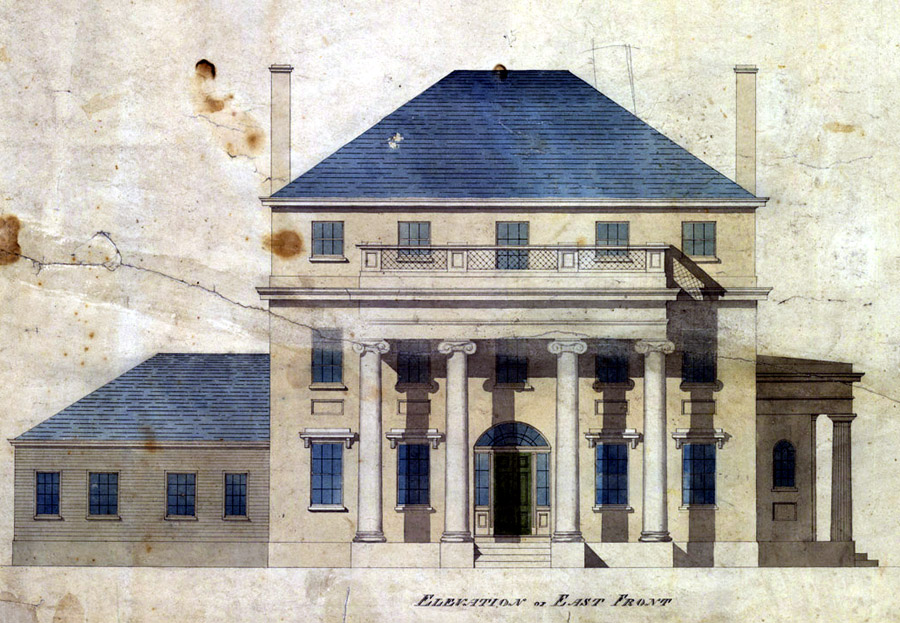
A “Benjamin house” usually has a door, mantels, and proportions copied straight from his plates. After about 1830 his books shifted toward the bolder Greek Revival style, with columned door surrounds replacing fanlights.
What it’s like to live in one
A Benjamin-pattern home feels calm and well-proportioned: a symmetrical front with a centered door, plain clapboard walls, and fine detail like a fanlight, slim trim, or a carved mantel. Northampton and the Pioneer Valley have many, along with Greenfield, Deerfield, and Pittsfield, where Benjamin started in the 1790s. Boston, especially Beacon Hill, holds his church work and his home at 8 Hancock Street. Most are around two hundred years old, so expect to update heating, wiring, and plumbing.
Is it the real thing?
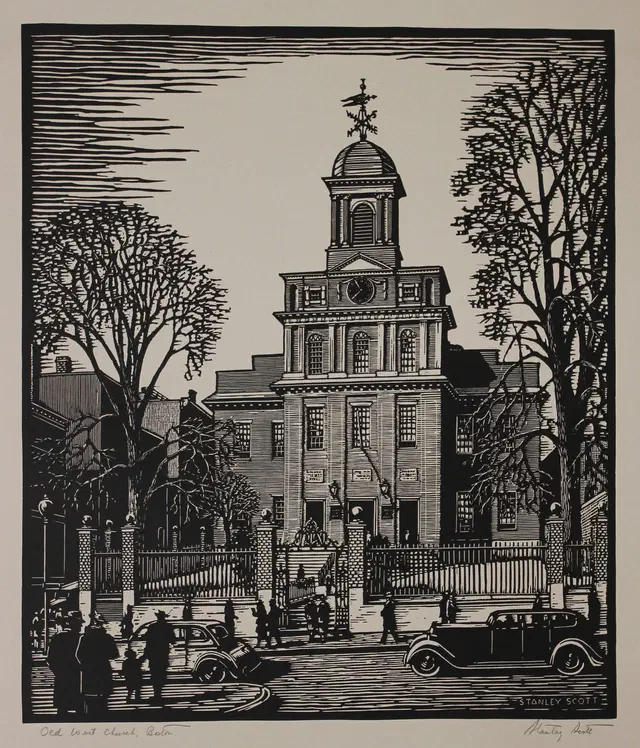
A home Benjamin personally designed is rare. Most documented work is Boston churches and a few Pioneer Valley buildings, like the Old West Church (1806) and the First Church of Christ in Northampton (1812). Far more common is a pattern house built from his plates. Two details tell the story: a fan-shaped window over the door with thin sidelights, and a parlor mantel carved with a sunburst, urn, or swag. To classify a listing as documented, we require primary evidence: a MACRIS survey, a Historic New England record, or a local-commission inventory. We list the common pattern houses under Federal or Greek Revival, since the real builder owned the book.
Last reviewed

