 Unique Homes MA
Alexander Parris Buildings & Houses in Massachusetts
Alexander Parris (1780–1852) carried Boston's Federal architecture into its Greek Revival successor — Quincy Market, St. Paul's Cathedral, and a small but exceptional residential output.
Who was Alexander Parris?
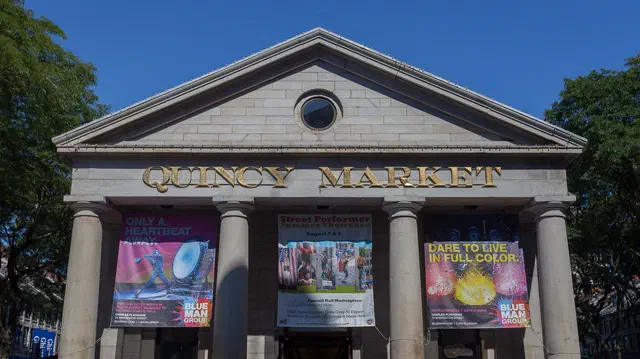
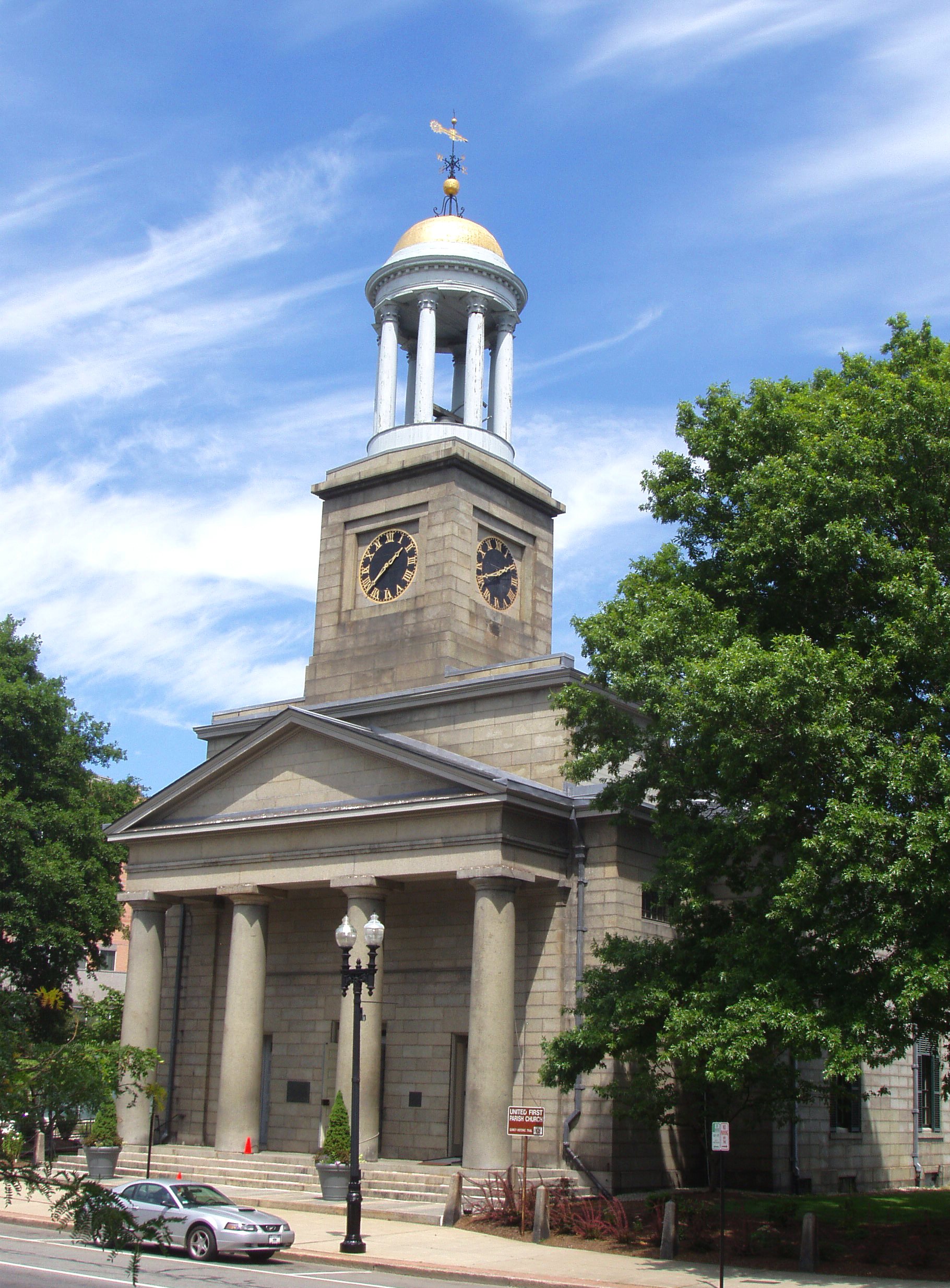
Alexander Parris carried Boston from the Federal era into the Greek Revival. Born in Maine in 1780, he began as a house carpenter, settled in Boston around 1816, and became the city’s busiest architect until his death in 1852. His work is familiar without his name: Quincy Market, St. Paul’s Cathedral, the Charlestown Navy Yard, and a few Beacon Hill houses. He learned the classical language Asher Benjamin taught New England carpenters, then turned it to stone.
Why it’s special
Parris made Boston a granite city. Earlier builders worked in brick and clapboard with delicate carved detail. He let plain stone and clean proportion do the work, so his buildings feel solid.
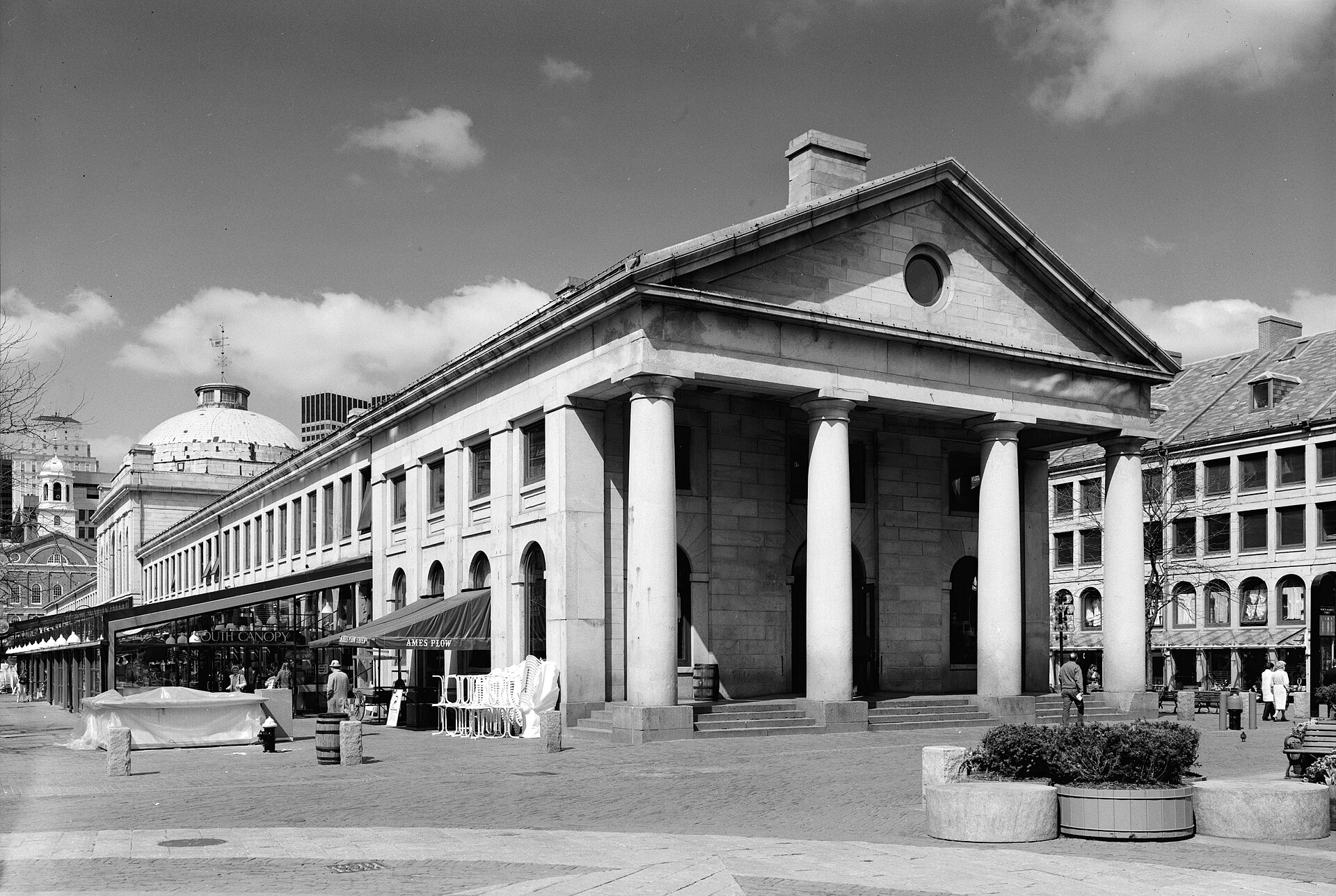
The 1819 David Sears House at 42 Beacon Street is cited first: a curved granite front, almost no ornament, quiet and monumental. By Quincy Market in 1826, he was building Greek temple fronts in stone for everyday use.
What it’s like to live in a Parris-shaped home
Few houses trace directly to Parris, and most are grand Beacon Hill townhouses at the top of the market. For most buyers his legacy lives in a Boston home shaped by his Federal and Greek Revival ideas: brick walls with granite trim around windows and doors, a symmetrical front, a sense of weight.

There is also a newer way in. As Engineer-in-Charge at the Charlestown Navy Yard from 1827 to about 1840, Parris designed massive granite warehouses, several now condominiums. A waterfront loft in that stone is a livable piece of his world. An 1820s house needs upkeep and updated systems, but the thick stone walls last.
Is it the real thing?
A true Parris attribution is rare and valuable, so confirm it. We label a home as Parris only when an official source names him as architect or master builder: MACRIS, the Boston Landmarks Commission, or a local historical-commission survey. A listing that mentions his name in passing is a claim to check. On Beacon Hill, that gap is real money.
Last reviewed